

1UP: Looking Back at Indigo Prophecy
need translation?David Cage reviews his first attempt at the interactive drama genre, and reveals why he doesn't want to make a sequel.
Though the universes aren't connected, you'd be forgiven for thinking Heavy Rain was a sequel to developer Quantic Dream's previous game, Indigo Prophecy. Hell, we assumed as much in our database description on 1UP for a couple of years before correcting the error, and the two share enough similarities that it's hard for me to look at one without thinking of the other. Perhaps the best way to describe the new game is that it's a gameplay sequel with a from-scratch story.
So I figured it made sense to dedicate one day of this week's Heavy Rain cover story to looking back at the game that came before it, and get director David Cage's take on it now that he's gained a few years of perspective.
1UP: If you were to review Indigo Prophecy now, how successful would you say it was?
David Cage: Indigo Prophecy was the first game entirely based on narrative and characters, not using any standard game mechanics but only contextual actions and decisions affecting the story. It demonstrated to me many very important points: it was possible to create a game without weapons, a car, or puzzles, and it was possible to tell a story through player actions, not through cut-scenes. The game explored new ground working with three main characters at the same time with apparent opposite goals -- one was the murderer, the two others the investigators -- and changed my understanding of identifying with a character in a game. It made me work on interactive storytelling for two years, a luxury that few game designers have, trying to find new writing techniques -- creating the concept of bending stories, for example -- and discovering all the difficulties of trying to tell an interactive story.
From a consumer standpoint, we were happy the game was both a critical and commercial success, being reviewed worldwide in the mid-80s on all platforms and spending several weeks on the UK charts, for example -- a country that did not have a narrative game in this position since Myst, maybe.
From a company standpoint, we developed proprietary technologies on three platforms, and our team gained a very unique experience. We put in place our motion capture pipeline, invented a new approach to realtime directing tools, and utilized many other innovative technologies.
Last but not least, Indigo was definitely the game that got Quantic Dream on the radar of the industry, thanks to the interest raised by the press and fans worldwide. Many publishers played the game and saw what we tried to achieve, which allowed us to sign with a console manufacturer as prestigious as Sony.
After this long answer, how could I say Indigo was not successful to me? It did some things right and certain things wrong. It was definitely not perfect, but we felt it was original and different.
1UP: Are there any specific scenes in the game that you think worked best?
DC: The first scene that comes to my mind is the one where you control Tyler Miles, a cop, as he wakes up in the morning. He looks at his girlfriend still asleep, takes a shower, and puts his clothes on. Then he goes to the kitchen. He drinks the coffee his girlfriend prepared, they talk, and he leaves for the office. I remember when I wrote this scene, I thought it would never work. There was absolutely nothing happening, nothing spectacular, just a guy waking up and going to work. When I played the game for the first time, I had this unique feeling of sharing the character's intimacy, playing his life with him. It is definitely the scene that convinced me that it was possible to think differently about interactivity.
I also liked the scene at the lake, where the hero is confronted with a moral decision, saving a little boy about to fall in a lake but taking the risk of being arrested by the police, or just leaving. The choices were presented in multiple windows and the player had to make a quick decision with moral consequences. The scene worked quite well, although being quite simple, but many people told me they left and felt really bad for a long time after [playing it].
One last scene was the one where the hero's ex-girlfriend comes back to his apartment to get some stuff, and the player can be nice or tough with her, trying to seduce her again and potentially get intimate. Someone told me he was usually a nice person, so when the girlfriend came back, he was as nice as possible with her. When he played the game again, he wanted to play differently to see what would happen...but when she came, he could not be tough with her and played exactly the same way. I love this story, because it means this player saw this program moving a bunch of pixels on screen like a real character with emotions, which means that we reached our goal.
1UP: Do you think if Indigo Prophecy was released today, you would have an easier problem including the game's sex scene in North America?
DC: To be frank, I don't know yet. I think there is still an atmosphere of paranoia around video games. Some people seem to think games have an incredible power because of interactivity. Even in our industry, some decision makers are convinced of that, although all studies I know demonstrate games don't have more influence than movies or books.
Graphic novels were at the same stage 30 years ago, because laws were made by people who did not read graphic novels, so they thought it was dangerous. I think times will change and interactivity will get more and more accepted in our society. Game creators are getting more mature and in many cases are telling more meaningful stories in games.
As a creator, I like to be free to create the most realistic interactive experience possible, and sex and violence are parts of our lives. Not that I necessarily want to promote those aspects but it is an element of human nature that I believe people can connect with in the games we do.
1UP: We're seeing the evolution of many of the ideas from Indigo Prophecy in Heavy Rain -- the new button-pressing minigames, the story approach changes, etc. -- though clearly the story, setting, and characters are new. Did Heavy Rain ever start out in your head as an Indigo Prophecy sequel?
DC: In fact, yes. After Indigo, I wanted to work on something different because I thought the game would be a commercial disaster. It was really different from what the industry was doing and there was absolutely no hype about emotion or narrative. But when we started talking to publishers, many of them told us they loved Indigo and they were interested in publishing the sequel.
So I started thinking of Indigo 2 but I quickly realized I had nothing more to say on this story and these characters. I really enjoyed the time I spent with them, but they were attached to a moment in my life, and I had moved on. I wanted to write something more personal, deeper, more adult, with no world to save and no supernatural powers.
Indigo opened the way to a different type of experience, giving all the bricks any author would need to tell any kind of story. It was the first time I could only think of what I wanted to tell, what I had to say, and not about what technology to use or what button to press. It was definitely a huge change of paradigm. Sony came to us quickly after Indigo because they enjoyed the game, asked us what we were working on, and we told them about The Casting, this technical demo of a virtual actress in realtime 3D. They offered to give us PS3 dev kits and to present the demo in their booth at E3. Heavy Rain was voted the most anticipated PS3 title after the show, just based on this demo -- and I guess [based] on Indigo -- which definitely proved to us gamers were eager for a different type of interactive experience.
1UP: I've heard you guys say you agreed with complaints that Indigo Prophecy didn't stay grounded in reality towards the end of the game. Have you given any thought to how you would have ended the game had you not gone the supernatural route?
DC: What was definitely wrong in Indigo was the fact that the end was not built enough and came as a series of disconnected events. We put so much effort to reach the end that we could not accomplish all we wanted [at the end]. It was supposed to be supernatural from the beginning, and I think that was OK with the kind of story we were telling. But we've learned many lessons since then and realize we should have paid more attention to resolving the end.
1UP: Can you share some behind the scenes trivia about the game that we might not know?
DC: Plenty...here are some:
The part of the story that was grounded in reality was definitely the one that worked the best. It convinced me that it was not necessary to have magic powers or to fight aliens to tell an interesting, interactive story. Our media has now reached a level of maturity where real stories with real people can be told, which is definitely a good thing.
1UP: Are there any secrets in Indigo Prophecy that to your knowledge have yet to be discovered by players?
DC: Yes, there are still a couple of Easter eggs, but let's keep them secret. Maybe fans will jump back in to the game now to look for them.
1UP: Will hardcore Heavy Rain players notice any nods or subtle references to Indigo Prophecy?
DC: Maybe. There was one about Omikron in Indigo.
Autor: Matt Leone
Source: 1UP
Language: English
Labels: David Cage, Fahrenheit Indigo Prophecy, interview
 Wednesday, May 20, 2009
Fahrenheit Angelo Badalamenti Soundtrack
need translation?This is additional soundtracks to Fahrenheit game. Thanks to DESTiJL for this great work. I mean music coding ;)
Audio: MPEG Audio Layer 3 44100Hz stereo 320Kbps
Fixed 22.02.2007
Download (95.1 MB)
(Be aware of advertisement tricks. All downloads from other sites.)
author: Angelo Badalamenti
Copyright: (c)2005 Atari; Quantic Dream; Angelo Badalamenti
Coded: <({DESTiJL})>
Labels: Angelo Badalamenti, Fahrenheit Indigo Prophecy, Soundtrack
Postmortem: Indigo Prophecy What Went Wrong
need translation?Previous: What Went Right
1: The Story - The Bad
Generally speaking, the scenario and characterization worked particularly well but a few glitches in the writing prevented the scenario from reaching the level of quality I was aiming for.
Here are some of them in no particular order:
- one bad guy per story is enough: the Oracle was the real enemy in Indigo Prophecy and I think his characterization was quite good. The AI that comes into play at the end of the game only adds confusion to the plot.
- you can make people believe anything in a scenario, but only once per story. In the case of Indigo Prophecy, the story of Lucas, guilty of a murder he never really committed because controlled by the Oracle, was THE unreasonable proposition in my scenario, which the players accepted without difficulty. The series of new developments at the end, although built into the first scene (the crow representing the AI is a leitmotif throughout the game) constituted a series of added propositions that went beyond what the players/spectators could reasonably accept.
- I made the mistake of not devoting enough time to the last hour of the game. I was convinced (and rightly so) that the first hour of the game would be decisive for hooking the player, but I naively thought that one hour from the end the player's opinion would be made. I therefore devoted most of my time to the rest of the game in order to make it as perfect as possible.
This was obviously a mistake. I was forgetting that what leaves a lasting impression on the player is often the end, and that a bad ending can change his perception of the whole game.
It won't happen again…
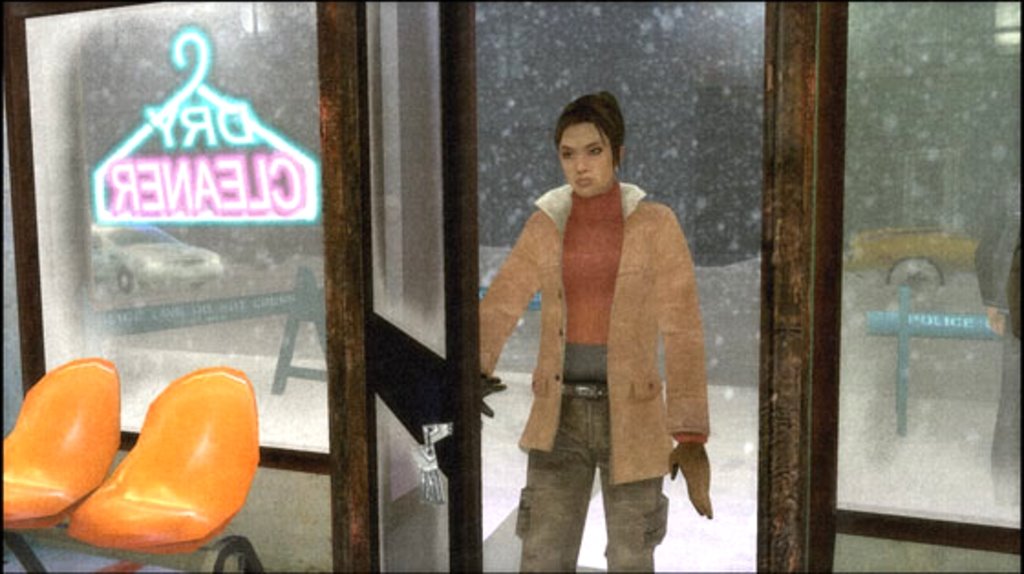
2: Graphics: "Atmospheric but not Stellar" (as they said…)
The graphical quality of Indigo Prophecy was given an uneven reception by the critics. I think there are three reasons for this:
- Indigo Prophecy was developed simultaneously on three platforms, PS2, Xbox and PC. PS2 had been defined as the lead version and no efforts were spared for this console. The last months of development were devoted to graphically improving the PC and Xbox versions, but too few specific features were developed for these platforms to make these versions competitive with the best games on the market.
- the second reason was a deliberate choice to work on the graphics in terms of atmosphere rather than in terms of a technical demo. In order to create a grim atmosphere by working on the colorimetry and the grain of the image we deliberately avoided easy lens flare and other such env map effects that invade most games. The result probably lacked eye candy.
- the last reason relates to a misevaluation of needs in terms of tools. The graphics team did top quality work but the tools that would have facilitated the graphical production appeared much too late in the production or were not suited to the job. The heaviness of the technology always has direct repercussions for the graphical quality of the game: when a graphic artist spends more time trying to view his work than improving it, the result is a loss of quality.
The burden of having to develop an internal technology on three platforms proved to be too much to afford the artists the comfort they needed.
On our upcoming productions we have devoted a significant effort to developing the graphics and animation tools entirely in pre-production. More specifically, we have greatly extended our WYSIWYG philosophy enabling direct visualization on console in all tools.
3: Action Sequences - Almost A Good Idea...
The action sequences are a good example of a good idea that never came to maturity during the development of the game unlike, say, MPAR and MultiView. Reviews were globally good for this part of the game, which was designed from the very beginning more as a spectacular breath of fresh air in the narration than as a veritable game play challenge. I am personally dissatisfied with the result.
The initial concept was to avoid having repetitive action sequences like most games, where the player accomplishes the same actions (shooting, fighting, driving).
The narrative structure imposed a great variety of actions, animation and situations in order to preserve the cinematographic side of the experience and there was no question of imposing shoot sequences every ten minutes at the risk of totally destroying the narration.
The other important point in the project specifications was that the camera should be free to provide top quality directing (so no views from behind). Finally, there was no question of providing specific interfaces for each new action scene. We therefore had to imagine a generic interface that was equally suited to a chase scene, a game of basketball or ice-skating.
The result was the PAR system (japanese designer experimented something similar with his Quick Time Events in SHENMUE).
The final idea of assigning controls to the analog sticks and bonding them to the movements of the character on the screen came quite late in the development, too late for the appropriate tools to be developed. The implementation was thus very largely blind, and the tuning particularly long and delicate.
In addition, we failed to find an ideal visual representation for the symbols on the screen. We tested a large quantity of positions, sizes, shapes and colors and finally opted for peripheral player vision. It was an interesting option but not entirely convincing, the interface being graphically too invasive. If the player does not use peripheral vision, the eye moves from the symbols to the scene and the interface masks the scene.
A better implementation would have been possible if we had had complete WYSIWYG tools earlier in development.
4: Insufficient Overall Vision for the Technology
The Indigo Prophecy technology is not really spectacular. It was primarily intended to serve the experience of the game and fluidity. Most of its features were designed to improve the game experience.
For example, the game is not burdened by any loading in the course of scenes thanks to an "intelligent" streaming system that enabled the game to offer a particularly large quantity of action per square meter.
The scripting tool we used to assemble the game enabled us to construct extremely complex scenes with a great number of possible variations and a great variety of mechanisms. The MultiView and Multi-Character scenes were veritable technical challenges.
In spite of many positive points, the game suffered globally from an insufficient overall vision for the technology. This placed a considerable burden on the development and demanded not inconsiderable extra efforts that the team could otherwise have avoided.
The first mistake occurred when changing platforms. Developing a PC game is very different from a console game, particularly in terms of memory management, loads and saves. We considerably underestimated the switch from PC to console and failed to identify the difficulties correctly (we quickly focus on the frame rate, whereas the memory and loading issues are considerably more problematic).
The second mistake was an insufficient analysis of the game design. It seemed to be very simple (playing animation in scripts with conditions) whereas it finally proved to require great underlying complexity. Synchronously managing several scripts playing simultaneously in several windows but capable of interacting with each other, as in the Hotel scene, is just one example of the type of cases that had to be managed.
We also underestimated the needs of a game that uses few recurrent mechanics.
The other classic error we committed was trying to develop generic tools with a view to possible future productions rather than tools dedicated to the experience of the game we wanted to create. The initial scripting tool was supposed to enable us to script both an FPS and a tennis game. The reality quickly proved to be different from the theory.
A generic tool enables management of a great variety of cases… but none of them very effectively. The prospect of reusing a tool as is for future productions is usually a pipe dream that costs time and money in the short term with no guarantee of profitability in the long term.
In Indigo Prophecy we realized this early enough to be able to correct the error. We adapted the tool, making it less generic but more effective for the type of game we were developing. With a scripting tool that was better suited to the game, we considerably simplified the scripting and accelerated the development.
The reality of development in the years ahead is that engines will no longer constitute a veritable barrier, and there is a strong chance that all teams will very quickly have access to the same features.
The real technological stakes of Next Gen development are in the tools.
5: Difficulties of Developing an Original Concept
The major difficulty in Indigo Prophecy was being able convince before, during and after the development, publishers, the team, the marketing, the journalists and finally the gamers.
Convincing a Publisher
The difficulties inherent in an original project begin even before it goes into development with the incredibly difficult task of convincing a publisher.
Indigo Prophecy was no exception to this rule.
I often say that a truly original project cannot be signed by a publisher except if based on a misunderstanding, because if the publisher really understood what he was signing, he would never sign it.
The initial presentation of Indigo Prophecy was capable of terrifying even the most foolhardy of publishers (and these are few on the ground…). The challenge of the project was to create an experience in which the player would control the main protagonists of a story in which his choices would modify the course of events. No gun, no car, no action, no puzzle…
The first publishers I spoke with took me at best for a harmless dreamer, at worst for a madman. The publisher's first reaction when evaluating a new project is to look at the sales figures for games in the same category. In my case, he either considered that the game was a new genre, therefore having no comparable reference, or else that it belonged in the category of adventure games, an economically minor genre. Clearly not a good omen for Indigo Prophecy…
The other difficulty I ran up against was trying to explain the experience that Indigo Prophecy was going to be. Even today I still find it difficult if not impossible to explain what the game is like to someone who hasn't played it. The dialog inevitably ends with the person looking at me with a puzzled expression accompanied by a polite smile.
Because it really is impossible to explain Indigo Prophecy (you can make the test yourself…).
In an action game you can explain how to shoot, what weapons are used, who the enemies are, and everyone immediately understands the type of experience it is going to be.
With Indigo Prophecy, no one can see right away how the player can enjoy playing with only a story and choices.
Explaining the concept of an original game with no real prior references is a major difficulty that must not be underestimated. I had to deploy considerable efforts before I finally managed to generate enough excitement to sign for the project, after spending more than a year discussing it with the publisher.
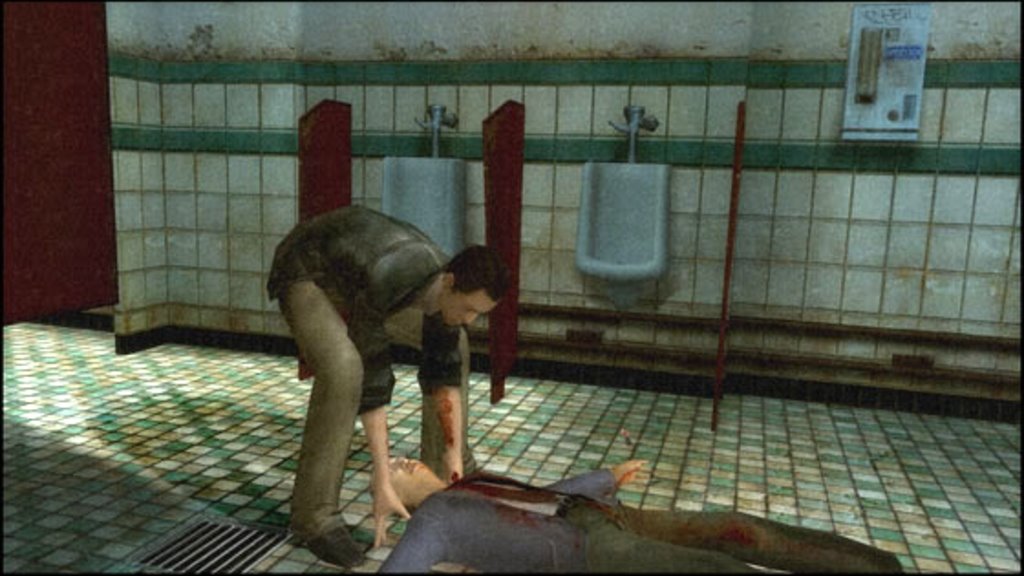
Convincing During Production
Developing an original project also constitutes a mass of difficulties at all levels of production. Apart from the initial difficulty of convincing the publisher to take the risk of trying something new, you then have to convince them that the project is making progress.
Lots of publishers need to be reassured by the game play early on in the development and demand vertical slices (a full playable game level complete with all the features). This method is perfectly suited to shooters or car games where we can in fact produce a complete level and have a good idea of the final game play because all that remains is to duplicate the game play by changing sets.
The immense difficulty of the Indigo Prophecy concept was that a large part of the fun came from involvement in the story and emotion, which were both difficult to illustrate from a single isolated scene.
Because Indigo Prophecy didn't really use repetitive mechanics, playing an isolated scene demonstrated nothing except how that scene worked, without any indication of the context nor of the feeling the game would finally produce.
Moreover, it was difficult to perceive the typology of a game based on emotion as long as everything had not been set up, animation, dialogs, facial, lighting, rendering and most of all music. It was a bit like watching film rushes and trying to imagine the final result.
To optimize production, I had chosen to structure the development horizontally rather than vertically and produce all the animation, all the sets, all the characters, while simultaneously beginning to assemble. The result took time before it became visible but when it did, the whole game appeared "as if by magic" from one day to the next.
Production models should be adapted to the specific nature of the project, rather than just copying the established recipes. All games should not be produced like action games. Some creativity also has to be put in new methodologies to develop these games, more in line with their true nature and in respect with the publisher's constraints.
Convincing the Team
Managing the development team constitutes the other difficulty involved in producing an original project. When working on a FPS, the team has a very clear idea of what it is doing from the very first day of development. It has outside references that enable it to judge the quality of the game.
With an original project, this does not apply. The team had to have enormous faith in order to be able to produce Indigo Prophecy. Some of the team members even admitted to me that they had not really understood what Indigo Prophecy was all about until after the game was released and they heard their friends talking about it.
Anyone who has already directed a project knows how essential it is to have the complete confidence of the development team. If the team has reservations or no longer believes in the project, that project will fail.
For Indigo Prophecy, I made a point of never showing my doubts (which were nevertheless numerous and sometimes difficult to overcome all through the development) and made special efforts to share my vision of the project with the team.
Here again, the special nature of Indigo Prophecy and the fact that it was difficult to understand the experience of the game before everything was fitted together, did not make life any easier for me, but the team stuck with me all the way and I was genuinely touched by their confidence. I would like to take advantage of this occasion to express my gratitude to them.
Conclusion
Indigo Prophecy was really an extraordinary experience both professionally and in human terms. I learned an enormous amount from it and it profoundly changed my vision of interactivity. I won't make video games the same way before and after Indigo Prophecy, and I think it also deeply changed the vision of most of the people in the team.
And although the game may not be perfect, I hope that the passion and enthusiasm that the team and I invested in it will nonetheless make it a game that is both different and sincere.
In my personal development it constitutes an important stage toward making video games not just simple toys but a veritable form of expression. I hope it has given other more talented people the desire to explore interactive narration and the formidable capacity of this new medium to create emotion.
Publisher: Atari
Developer: Quantic Dream
Platforms: PlayStation 2, PC, Xbox
Number of full time developers: Around 80
Length of Development: Two Years
Release Date: September, 2005
Autor: David Cage
Source: Gamasutra
Labels: David Cage, Developers Diaries, English, Fahrenheit Indigo Prophecy
Gamasutra: Game Developer June/July Issue Gets Prophecy, In-Game Ads, Best Of E3
need translation?Postmortem: Indigo Prophecy: The Nightmare of the Original Concept
By David Cage
On paper, pushing for increased emotion, original play concepts, and new methods of storytelling all in the same game sounds like the ravings of a madman. Indigo Prophecy may not have hit all of these points perfectly, but it has blazed a trail of innovation, and raised the bar for the integration of story and gameplay. In this postmortem, David Cage tackles everything from narrative to digital puppetry, and tells us why changing publishers can save your game.
The latest issue of Game Developer magazine, the sister print publication to Gamasutra.com, and the leading U.S. trade publication for the video game industry, is in the process of shipping to subscribers and is available from the Game Developer Digital service in both subscription and a new single-issue formats.
 The cover feature for the June/July 2006 issue is an exclusive postmortem for Quantic Dream's critically acclaimed Indigo Prophecy, with exclusive art, described as follows:
 "On paper, pushing for increased emotion, original play concepts, and new methods of storytelling all in the same game sounds like the ravings of a madman."
It continues:
"Indigo Prophecy may not have hit all of these points perfectly, but it has blazed a trail of innovation, and raised the bar for the integration of story and gameplay. In this postmortem, David Cage tackles everything from narrative to digital puppetry, and tells us why changing publishers can save your game."An extended version of this feature will appear on Gamasutra in the future.
In addition, the magazine features an in-depth 'State Of The Industry: In-Game Advertising' report, noting that advertising in games is a burgeoning way to add revenue to games, closely tied to licensing, but quickly growing beyond that age-old practice. In this industry overview, Paul Hyman discusses the major players and how they plan to put ads into your games.
Finally, a technical feature focuses on the fact that the next generation of consoles all sport more RAM and better processing power, but the optical drives reading your discs may not keep up as you would expect. In this feature, Neversoft's lead programmer Brad Bulkley offers tips and tricks for streaming your way to a seamless game world. The issue is rounded out by regular news, code, art, audio, and design columns, as well as a 'Best of E3' round-up, product reviews and game art features.
Worldwide paper-based subscriptions to Game Developer magazine are currently available at the official magazine website, and the new Game Developer Digital version of the issue is also now available, with the site offering six months and a year's subscriptions, alongside access to back issues, all for a reduced price. There is now also an opportunity to buy the digital version of June/July 2006's magazine as a single issue. Newsstand copies of the magazine will also shortly be available at North American outlets including Barnes & Noble and other specialty bookstores.
Autor: Simon Carless
Source: Gamasutra
Labels: English, Fahrenheit Indigo Prophecy
WT Interview Quantic Dream Q&A
need translation?Weezy send a link for this new interview with the Fahrenheit Executive Producer Guillaume de Fondaumiere. The title of the mail posted to usOmikron 2 in 2009, Infraworld cancelled.
So read it.
Deutsch
English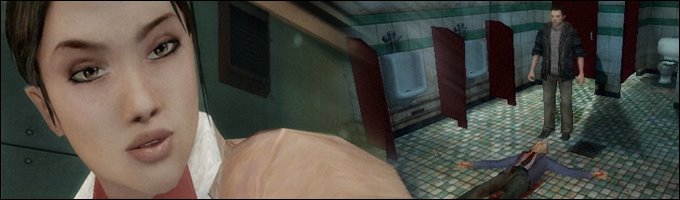
We had a talk with Quantic Dream's COO Guillaume de Fondaumiere about last year's 'Fahrenheit' ('Indigo Prophecy'), the company's current and future project, and - of course - the future of videogames.
A few months after the release of Fahrenheit / Indigo Prophecy: How satisfied are you with sales figures and ratings? Did they meet your expectations?
The game has been perceived very favourably by both the specialised gaming press and the gamers. We have won more than 20 international awards for Most Innovative game, Best Adventure game, Best Story in a game, Best Music, etc...And a number of gamer's choice awards. In certain countries, we have even been awarded "Best PS2 game of the Year" , we are very proud of that! Fahrenheit/Indigo prophecy is actually the best ever rated adventure game of all times on PS2 and X-Box, and only second to Grim Fandango on PC.
As for sales, well, that is another question. The game has sold very honourably "for an adventure game" , but failed to reach as for now the mass market. I think it has both to do with the fact that video games still fail to appeal to a large audience, and to a timid marketing campaign on the product. Fahrenheit is a game that is designed for a very large audience, but since "the large public" is not very much interested by games, you need to put up enormous means to make your product really known. This is why you see so many movie licenses, which carry the necessary marketing buzz, being brought to games and selling in huge quantities.
But Fahrenheit is still selling well and will continue to do well in the future because it stands so much out of the competition. The word to mouth is very favourable; the fan base is growing....
What have you learned from the development of Fahrenheit? What went right, what went wrong?
The production of Fahrenheit was a challenge in every sense of the word. From a financial standpoint, we "needed" two publishers to finalize the game and release it. It has been a real battle to convince some of the most influential people in this industry that a video game that was not relying on mechanics could be both intuitive and interesting to play. And that a video game driven by and relying mostly on the emotional experience of the players could be regarded as a AAA title.
It was also challenging because we were venturing most of the time into fields where nobody had dared to go before us. We had to create most of the tools and technologies to be able to produce the game we had in mind. That means trying, testing, challenging our choices at every corner. And of course, making mistakes and doing it all over again when necessary. It has been in a sense a consuming experience, but the result was as we expected it. We created the game we wanted to and this is probably the biggest reward you can have as a developer (with, of course, receiving dozens of awards and selling millions of units?).
Fahrenheit's storytelling and graphics (especially the fighting scenes) were outstanding but the gameplay itself lacked some depth. Do you think you could have done a better job with the puzzle design by making it more challenging?
Well, I don't know. To me, the gameplay is at least as interesting in Fahrenheit as its graphics universe, maybe even more?! Fahrenheit is not a game where you can easily separate gameplay from story, characters (and their design) and the graphics production. An "interactive drama" as we like to call our game is an experience where, by essence, everything is strictly intertwined. The overall experience and emotional reaction of the players is what matters to us.
Of course, some gameplay elements may have been dealt with differently. Take the action sequences for instance. We were looking for an interface that would enable players to live and play a number of different actions, from playing basketball, shooting, dancing, playing guitar or swimming. Now that is a challenge to design! We have found a solution that may seem "simplistic" to some or "retro "to others. But if you take the overall experience, the interface not only served its purpose of offering a much diversified range of action sequences, but was also perfectly integrated into the other elements of gameplay, be they the interactions with objects, the dialog interface, etc...
In the beginning, Fahrenheit was planned as an episodic experience. Why did you change your plan? And do you see the possibility for episodic games in the future? Ritual will try that distribution model with SiN Episodes, for example.
Fahrenheit was indeed originally designed by David Cage as an episodic experience on PC. But back in 2002, this was considered to big a risk to take for a publisher. Vivendi Universal Game however like very much the story and the overall concept and asked David to redesign the game as an "interactive movie" rather than an "interactive series" . We see a great future for episodic content, however only for those titles which will really take the most out of the format. You don't design an episodic game like you'd design a full game. A TV series has a very distinctive structure than a feature, with its rhythm, twists, characterization...and very own business model. The same will apply to episodic gaming and Quantic Dream is discussing potential projects today with major industry players. SIN Episodes will be distributed on-line and in slices, I do not think however SIN really qualifies for the denomination "episodic" , at least not how we understand it.
We heard rumours about a sequel to Fahrenheit. Is there any truth behind this?
" Ach" , Rumours.... ;-). [" A flying rumour finds everywhere places to land." I believe it is from Jacques Tati...]
Last year, you announced Omikron 2 which came as a surprise to many players. Where are you going with this game? Can you give us some details?
This is more than a rumour, as we have started to work on this very innovative and very challenging project (Omikron 2, called KARMA). However, you shouldn't expect this title anywhere before 2009. Quantic Dream will be developing another title before that. It is actually already in the making, we have a deal in place.
Another game you announced was Infraworld. Any details on that one yet?
Infraworld, at date, is cancelled. The concept did not appeal to publishers.
What possibilities do you see for the next-generation consoles?
We clearly see today the possibility of creating emotional experiences that will push video games into real competition with cinema. We will cross the "Uncanny Valley" during the next cycle - create characters as real as it gets -. Urban spaces will become vast, alive and near to "true" .
Artificial intelligence will make its big entrance and, if used correctly, could become an essential element in major productions. It could well be the next "big thing" in video games, enabling NPCs to be much more than stand-by characters.
New physics engines will also enhance dramatically the graphical realism in games, in particular if associated with other spectacular visual effects.
But above all, we believe that new franchises will truly break the mould and open the door to new popular genres. ICO, Shadow of the Colossus, the Sims, Katamari Damacy, Nintendogs and of course Fahrenheit have opened the door to this during the last cycle. I am optimistic; I think the future of video games lies here rather than in sequels and Hollywood licenses.
Have you made any deals with publishers regarding your new projects yet?
We have a production set but I cannot divulge the name or details on the project. But it is an original franchise of ours, a game for Playstation 3, X-Box 360, PSP and PC systems.
When can we expect to hear more about you future games?
We will make an announcement at E3 2006 and present some interesting stuff we are working on right now. Hopefully on a very large screen.
Guillaume, thanks for your time!
Autor: Fabian Walden
Source: WT (Working Title)
Labels: English, Fahrenheit Indigo Prophecy, Guillaume de Fondaumiere, Infraworld, interview
WT Im Gespräch: Quantic Dream
need translation?English
Deutsch
Guillaume de Fondaumiere, COO von Quantic Dream, sprach mit uns zurückblickend über das im letzten Jahr erschienene 'Fahrenheit' sowie die neuen Projekte von Quantic Dream, welche vor einigen Monaten angekündigt wurden. Wann soll 'Omikron 2' erscheinen und was ist mit 'Infraworld'? Die Antworten im Interview!
Ein paar Monate nach dem Release von Fahrenheit: Wie zufrieden seid ihr mit den Verkaufszahlen und Wertungen? Haben sie eure Erwartungen erfüllt?
Das Spiel wurde sowohl von der Spielepresse als auch von den Spielern sehr positiv aufgenommen. Wir haben über 20 internationale Awards für das innovativste Spiel, das beste Adventure, die beste Story, die beste Musik usw. gewonnen – und dazu noch einige Spielerawards. In einigen Ländern wurde es sogar als das beste PS2-Spiel des Jahres ausgezeichnet und wir sind darauf sehr stolz! Fahrenheit ist sogar das am besten bewertete Adventure aller Zeiten auf PS2 und Xbox, und nur nach Grim Fandango das zweite auf dem PC.
Und die Verkaufszahlen, nun, das ist eine andere Frage. Das Spiel hat sich " für ein Adventure " sehr tapfer geschlagen, aber wir haben es bisher nicht geschafft, den Massenmarkt zu erreichen. Ich denke, das hat sowohl etwas mit der Tatsache zu tun, dass Videospiele noch immer kein riesiges Publikum erreichen, als auch mit der zurückhaltenden Marketingkampagne für das Produkt. Fahrenheit ist ein Spiel, das für ein sehr großes Publikum entworfen wurde, aber weil " die große Masse " nicht sehr an Spielen interessiert ist, muss man enorme Mittel aufwenden, um ein Produkt wirklich bekannt zu machen. Aus diesem Grund sieht man so viele Filmlizenzen, welche die nötige Marketingenergie haben, als Spiele, die sich in großen Stückzahlen verkaufen.
Aber Fahrenheit verkauft sich noch immer gut und wird das auch in Zukunft tun, denn es sticht so aus der Masse hervor. Die Mundpropaganda ist sehr positiv; die Zahl der Fans wächst...
Was habt ihr aus der Entwicklung von Fahrenheit gelernt? Was hat gut geklappt, was nicht so?
Die Produktion von Fahrenheit war im wahrsten Sinne des Wortes eine Herausforderung. Aus finanzieller Sicht " brauchten " wir zwei Publisher, um das Spiel fertigzustellen und zu veröffentlichen. Es war eine echte Schlacht, einige der einflussreichsten Leute der Industrie zu überzeugen, dass ein Videospiel, welches nicht auf Spielmechaniken beruhte, sowohl intuitiv als auch interessant zu spielen sein könnte. Und das ein Videospiel, das vorwiegend von der emotionalen Erfahrung der Spieler gesteuert wird und darauf beruht, als ein AAA-Titel angesehen wird.
Es war außerdem herausfordernd, weil wir uns die meiste Zeit in Felder gewagt haben, in die sich vor uns noch niemand getraut hatte. Wir mussten Tools und Techniken entwickeln, um das Spiel zu produzieren, welches wir im Sinn hatten. Das bedeutete, auszuprobieren, zu testen, unsere Entscheidungen ständig in Frage zu stellen. Und natürlich bedeutete es auch, Fehler zu machen und es noch einmal zu machen, wenn das nötig war. Es war in jedem Sinne eine zehrende Erfahrung, aber das Ergebnis war, wie wir es erwartet hatten. Wir haben das Spiel erschaffen, das wir wollten, und das ist wahrscheinlich die größte Belohnung, die man als Entwickler machen kann (und natürlich dutzende Awards zu bekommen und Millionen Exemplare zu verkaufen).
Storytelling und Grafik (vor allem in den Kampfszenen) von Fahrenheit waren herausragend, aber das Gameplay selbst ließ ein wenig Tiefe vermissen. Glaubst Du, ihr hättet das Puzzledesign ein bisschen besser und anspruchsvoller machen können?
Nun, ich weiß nicht. Für mich ist das Gameplay von Fahrenheit mindestens so interessant wie seine Grafiken, vielleicht sogar mehr. Fahrenheit ist kein Spiel, bei dem man das Gameplay einfach von der Story, den Charakteren (und ihrem Design) sowie der Grafikproduktion trennen kann. Ein " interaktives Drama ", wie wir unsere Spiel gerne nennen, ist eine Erfahrung, wo im Wesentlichen alles strikt miteinander verflochten ist. Die gesamte Erfahrung und die emotionale Reaktion der Spieler ist das, was für uns zählt.
Zu Beginn war Fahrenheit als eine " episodische Erfahrung " geplant. Warum seid ihr von diesem Plan abgerückt? Und siehst du die Möglichkeit für zukünftige Spiele in Episodenform? Ritual versucht das ja zum Beispiel mit SiN Episodes.
Fahrenheit war in der Tat anfangs von David Cage als eine episodische Erfahrung auf dem PC geplant. Aber im Jahre 2002 wurde das als zu großes Risiko für einen Publisher angesehen. Vivendi Universal Games allerdings mochte die Story und das gesamte Konzept sehr gerne und bat David, das Spiel als einen " interaktiven Film " anstatt einer " interaktiven Serie " neu zu designen.
Wir sehen eine großartige Zukunft für episodische Inhalte, allerdings nur für die Titel, die wirklich das meiste aus dem Format herausholen. Man designt kein episodisches Spiel wie man ein komplettes Spiel designt. Eine TV-Serie hat eine ganz andere Struktur als ein Film mit seinem Rhythmus, Wendungen, Charakterentwicklungen... und ein ganz eigenes Geschäftsmodell. Das gleiche wird für episodische Spiele gelten und Quantic Dreams diskutiert gerade mögliche Projekte mit den Großen der Industrie.
SiN Episodes wird online und in Stücken veröffentlicht, aber ich glaueb nicht, dass SiN wirklich der Bezeichnung " episodisch " gerecht wird, zumindest wie wir das verstehen.
Wir haben Gerüchte über eine Sequel zu Fahrenheit gehört. Stimmt das?
" Ach" , Rumours.... ;-). " Ein fliegendes Gerücht findet überall Landeplätze." Ich glaube es ist von Jacques Tati...
Letztes Jahr habt ihr Omikron 2 angekündigt, was viele Spieler überrascht hat. Was habt ihr mit dem Spiel vor? Kannst du uns ein paar Detail verraten?
Das ist in der Tat mehr als ein Gerücht, weil wir die Arbeiten an diesem sehr innovativen und herausfordernden Projekt (Omikron 2, genannt KARMA) begonnen haben. Allerdings solltet ihr den Titel nicht vor dem Jahre 2009 erwarten. Quantic Dream wird einen anderen Titel davor entwickeln. Der ist sogar bereits in Arbeit, wir haben einen Vertrag abgeschlossen.
Ein anderes Spiel, das ihr angekündigt habt, ist Infraworld. Kannst du dazu schon was sagen?
Infraworld ist zum jetztigen Zeitpunkt gecancelt. Das Konzept hat den Publishern nicht gefallen.
Welche Möglichkeiten siehst du für die nächste Konsolengeneration?
Wir sehen heute ganz klar die Möglichkeit, eine emotionale Erfahrung zu erschaffen, welche Videospiele in echte Konkurrenz zum Kino stellt. Wir werden die " Uncanny Valley " während des nächsten Zyklus überbrücken – Charaktere so real wie möglich erschaffen, städtische Plätze werden gewaltig, lebendig und beinahe " echt " sein. Die künstliche Intelligenz wird ihren großen Auftritt haben und, wenn sie richtig verwendet wird, ein essentieller Bestandteil großer Produktionen sein. Es könnte durchaus das nächste " große Ding " in Videospielen sein, es den NPCs ermöglichen, mehr als nur Stand-By-Charaktere zu sein. Neue Physikengines werden außerdem den grafischen Realismus in Spielen verbessern, besonders wenn sie in Verbindung mit anderen spektakulären visuellen Effekten verwendet werden.
Aber mehr noch glauben wir, dass neue Franchises wirklich die Form sprengen und die Tür zu neuen beliebten Genres öffnen werden. Ico, Shadow of the Colossus, Die Sims, Katamari Damacy und natürlich Fahrenheit haben die Tür dazu in der letzten Runde geöffnet. Ich bin optimistisch; ich glaube, die Zukunft von Videospielen liegt eher hier als in Sequels und Hollywoodlizenzen.
Habt ihr bereits Verträge mit Publishern für eure neuen Projekte abgeschlossen?
Wir haben eine Produktion bereits sicher, aber ich kann weder den Namen noch Details nennen. Aber es ist ein eigenes Franchise von uns, ein Spiel für PlayStation 3, Xbox 360, PSP und PC.
Wann können wir mit mehr Infos rechnen?
Wir werden eine Ankündigung auf der E3 2006 machen und einige interessante Sachen präsentieren, an denen wir gerade arbeiten. Hoffentlich auf einem sehr großen Bildschirm!
Guillaume, vielen Dank für das Gespräch!
Autor: Fabian Walden
Source: WT (Working Title)
Labels: Fahrenheit episodes, Fahrenheit Indigo Prophecy, German, Guillaume de Fondaumiere, Infraworld, interview, Omikron 2 Karma
FAQ по Пророчеству Индиго
need translation?Q: А в игре субтитры есть?
A: Есть. Включаются в Options - Languages - Subtitles. Если меню Options вызвать непосредственно во время игры, то меню выбора языка там не будет. Субтитров, соответственно, тоже. И вообще, учите английский.
Q: Правда, что игру нельзя пройти без геймпада из-за корявого управления мышью и клавиатурой?
A: Неправда, я прошел на клавиатуре. Но половина игроков считают, что с геймпадом удобнее.
Q: Кто-нибудь знает названия песен в саундтреке?
A: Вот:
* Theory of a Dead Man - Santa Monica (играет во время Credits)
* Theory of a Dead Man - Say Goodbye
* Theory of a Dead Man - No Way Out
* Theory of a Dead Man - No Surprise
* Teddy Pendergrass - Love TKO
* Ben E. King - Street Tough
* Patrice Rushen - Hangin' Up
* Bobby Byrd - Try It Again
* Society's Bag - Let It Crawl
* Leee John - Just an Illusion
* Angelo Badalamenti - Lucas' Main Theme (Бадаламенти сочинял так же всю "родную" музыку игры)
* Angelo Badalamenti - Carla's Main Theme
* Nina Simone - No Good Man
* Martina Topley-Bird - Sandpaper Kisses
А если просмотреть до конца Credits, то можно получить 200 очков и открыть их все в бонусной секции.
Q: Так какое правильное название у игры: Fahrenheit или Indigo Prophecy?
Q: Чем отличаются европейское и американское издания игры?
A: Fahrenheit - европейское название, Indigo Prophecy - американское. Второе гораздо точнее подходит к сюжету игры, но первое - короче. Вывод - выбирайте, какое больше нравится. В американском издании так же вырезаны эротические сцены. Потому что в США секса нет.
Q: Так значит, есть все же эротические сцены?
A: Есть. Первая - дома у Тайлера, с ним и его подругой Сэм (Samantha Malone) в главных ролях. Чтобы ее посмотреть достаточно просто подойти к ней вместо того, чтобы варить кофе. Вторая - дома у Лукаса, нужно уговорить Тиффани (Tiffany Harper) остаться у него на ночь (поговорить о жизни, поиграть на гитаре, потом только с чувствами подкатываться). Третья, обязательная, - с Карлой и Лукасом, на станции подземки почти в самом конце игры. Четвертая - в бонусах, стриптиз в исполнении Сэм.
Q: А где в игре сцена с катанием на коньках?
A: Только в бонусах. В самой игре ее нигде нет и, судя по всему, никогда не было.
Q: Что это вообще за Кланы, млин?
A: В игре существуют два Клана - Оранжевый (Orange Clan) и Фиолетовый (Purple Clan). Оранжевый Клан - древнейшая организация на Земле, существующая уже более двух тысяч лет и стоявшая у истоков цивилизации Майя (их обычаи описаны весьма достоверно). Управляется он советом старейшин и тайно заправляет почти всеми силовыми структурами мира. Их официальный представитель - Оракул (The Oracle), чья функция - отыскать с помощью ритуальных жертвоприношений, дарующих ему духовное зрение, Ребенка Индиго и окончательно закрепить власть Оранжевого Клана над миром. Есть мнение, что в древности существовали так же и другие человеческие Кланы, однако все они были уничтожены Оранжевыми.
Фиолетовый Клан - это AI, искусственный интеллект, зародившийся на просторах интернета в восьмидесятых годах прошлого века. Проще говоря, "всемирный разум", контролирующий практически все информационные потоки мира, что, кстати, и позволяло ему избегать внимания Оранжевого Клана. Он же тайно помогал Лукасу в его противостоянии с Оракулом и даже оживил его после гибели на русских горках, что подразумевает какое-то совершенно фантастическое знание человеческой физиологии. Цель Фиолетового Клана - полная "очистка" Земли от людей и прочих анахронизмов.
Q: Почему представителя AI все называют "киборгом" ("cyborg")?
A: Потому что в бонусном promotion-ролике, где показывали всех персонажей, так его окрестили сами разработчики. Фактически же это неверно, ибо по определению "киборг" - это существо, частично состоящее из органики, частично - из неорганических деталей.
Q: Что символизируют вороны?
A: Общепринята версия, что вороны - это проявление AI, с помощью которого он следил сначала за Оракулом, а потом за Лукасом. Кроме того, один из них жил в клетке у Агаты (см. ниже).
Q: А кто тогда такой этот бомж и его братия?
A: "Бомжа" зовут Богарт (Bogart), и он начальник тайного братства Незримых (Invisibles), наблюдателей, чья цель - слежка за Кланами. В отличие от Оранжевых, они знали о существовании AI с самого начала. Про них же самих не знал никто.
Q: Что такое "хрома" (Chroma)?
A: Гибрид Мако (Mako) из Final Fantasy VII и Силы (The Force) из Star Wars. Изначально Хрома - это сила самой жизни, присутствующая во всех ее формах, однако в больших концентрациях она дает человеку сверх-способности вроде предвидения, фантастических физических данных и сопротивляемости внушению (например, приказам Оракула). Лукас обладает этой высокой концентрацией, потому что еще в стадии эмбриона был "облучен" Хромой, когда его мать, уже беременная им, подолгу работала вблизи от природного Источника Хромы. Тот же Источник увидел Лукас в ангаре на базе Wishita и там же открыла свою тайну Джейд (см. ниже).
Q: Какие в игре есть концовки?
A: Концовок три:
* Лукас побеждает и Оракула, и AI, получает тайну послания Джейд и становится полубогом. Человечество выживает, мороз пропадает, земля превращается в Эдемский сад, а Карла ожидает ребенка от Лукаса. Оба Клана в страхе прячутся от Лукаса в глубинах общества.
* Лукас побеждает Оракула, но проигрывает AI, который получает тайну и становится новым хозяином земли. Температура продолжает падать, все человечество вымирает. Лукас остается одним из последних людей, считается героем-противоборцем среди Незримых, потому что AI на людей еще и охотится. Карла ожидает ребенка от Лукаса, но скорее всего, погибает задолго до родов.
* Лукас и Карла проигрывают Оракулу, который получает тайну и передает ее своему Клану. Холод спадает, Оранжевый Клан рулит миром. Лукаса и Карлу (которая, как всегда, ожидает от него ребенка) никто не трогает (видимо, боятся), и они живут совершенно спокойно в небольшой квартире в Нью-Йорке.
Кроме того в любой момент игра может окончиться, если настроение Лукаса упадет до нуля (в желтом доме или самоубийством) и если его убьют.
Q: Кто убил Агату?
A: Оракул. Хотя это вполне мог быть и AI (см. ниже).
Q: А кем, собственно, Агата (Agatha) была?
A: Существуют две версии. Первая: Агата была обычным человеком, слепой гадалкой с большим опытом. Когда Агата была убита (неважно кем - AI, почуявшим, что Лукас начинает отставать от Оракула, или самим Оракулом), в ее облике Лукасу стал являться "киборг". Согласно другой версии, Агата с самого начала была одним из обличий AI, ловко порекомендовавшим самого себя Лукасу (через Маркуса) и помогавшим ему по мере возможности. Когда Агату обнаружил Оракул, он попытался ее убить, но вышло это только наполовину.
Q: А что в шкафу у нее было?
A: Никто не знает. Он не открывается.
Q: Оракул говорил, что "ждал этого 2000 лет"... Что он имел в виду?
A: Есть мнение, что Оранжевый Клан еще 2000 лет назад пытался прибрать к рукам Иешуа (Иисуса), но тогда им что-то помешало (возможно, Незримые). Однако это подразумевает, что Христос сам был "Ребенком Индиго".
Q: А что есть "Ребенок Индиго" (Indigo Child)?
A: Ребенок с абсолютно чистой душой. Что конкретно это означает - непонятно, каждый думает по-своему. Например, большой популярностью пользуется версия, что душа "Ребенка Индиго" должна быть свободна от борьбы добра и зла и прочей мирской грязи. А это в свою очередь намекает на аутизм и вполне сходится с характером Джейд (Jade), девочки, которую искали Кланы. В контексте игры Ребенок Индиго должен принести людям некое Послание, которое изменит мир, и умереть: послание Джейд давало власть над миром тому, кто его узнает. Сам термин "Indigo Child" был изобретен Ли Кэролл (Lee Caroll) и Джен Тоубер (Jan Tober) [1].
Q: Так что же все-таки сказала Джейд Лукасу/Оракулу/AI?
A: Неизвестно, однако наиболее популярна версия, что "42" [2]. По крайней мере, она объясняет выражение лица Лукаса, когда он это услышал.
Q: Кем работала бывшая подруга Лукаса Тиффани?
A: Медсестрой. Причем в госпитале Святого Джона (Иоанна). Для сравнения, Джейд живет в приюте Святого Томаса (Фомы), Маркус Кейн служит в церкви Святого Пола (Павла). Все эти имена принадлежали апостолам христианской традиции - точно так же как и Лукас (Лука) и Маркус (Марк).
Q: Почему Карла так внезапно влюбилась в Лукаса? Нелогично...
A: Потому что любовь. Она вообще нелогичная штука.
Q: Как мёртвый Лукас мог зачать ребёнка?
A: Очевидно, когда AI его воскрешал, было решено, что тестостерон в крови повышает боеспособность. Так же подозревается, что именно AI вложили в мозг Лукаса знания всех восточных единоборств разом, подготавливая к бою с Оракулом.
Q: AI говорил, что ему достаточно коснуться Лукаса и тот умрет на месте...
A: AI нагло врал.
Q: А что будет, если проходить за Лукаса a la Sam Fisher - не оставляя ни свидетелей, ни улик? Как тогда Карла и Тайлор выйдут на него?
A: Выяснится, что в личном деле Лукаса есть его фотография, "случайно" увидев которую, полицейский из Doc's Dinner тут же опознает убийцу и сообщит Карле.
Q: Кто прислал Карле e-mail про Кирстена (Kirsten)?
A: Богарт.
Q: Что случилось с квартирой Лукаса, когда полицейские пришли его арестовывать?
A: Судя по всему, там предварительно побушевал AI, чтобы запутать следствие и выиграть Лукасу еще какое-то время. Версия, что это был Оракул, не выдерживает критики, ибо непонятна его мотивация - он все-таки жрец Майя, а не сатанист. Сам Лукас, правда, утверждает обратное.
Q: И все же, почему по всему миру так резко падала температура?
A: Опять-таки несколько версий. Согласно первой, температура окружающей среды отражает то, как близко Кланы подобрались к Ребенку Индиго ("холодно - теплее - горячо", только наоборот). Другая утверждает, что дело не Кланах, а в самом Ребенке Индиго: время, когда Джейд раскрыла свою тайну было предопределено, поэтому чем ближе оно подходило, тем холоднее становилось.
Автор: Князь Koveras
Источник: AG Forums
Labels: Fahrenheit Indigo Prophecy, Russian
Fahrenheit Indigo Prophecy
need translation? Name: Fahrenheit; Indigo Prophecy
Developer: Quantic Dream
Publisher: Atari
Latest version: 1.1 (October 2005)
Release date: 09/16/2005 (the world earliest)
Genre: Adventure/Interactive Drama/Quest
Mode: Single player
Platform: Xbox, PS2, PC
Fahrenheit, a spectacular interactive thriller, set in New-York, gives gamers the unique chance to play both hunter and fugitive, which in turn leads them to speak, explore, interact, fight and confront unknown dark forces.
For no apparent reason, ordinary people are randomly killing total strangers. Although there is no link between the murderers, they all seem to follow exactly the same ritual and pattern.
Lucas Kane becomes one of these murderers when he kills a stranger in the men's room of a restaurant. Finding himself in control of Lucas, the player is haunted by strange visions and the desperate need to find out what is happening to him. At the same time he must keep one step ahead of the police, especially Inspector Carla Valenti and her teammate agent Tyler Miles.
(Fahrenheit is the European director’s cut of Indigo Prophecy – the critically acclaimed adventure game featuring innovative gameplay and a rich storyline.)
English; French; Русский; Swerige; Español; Portuguese; Norsk; Hebrew; Italiano; Français; Deutsch; Dansk; Nederlands; Ελληνικά; korean; Chinese (Taiwan); Japanese;Bulgarian;Turkish;Finnish
Resources
News
2009
5/20/2009 1UP: Looking Back at Indigo Prophecy (English)
there are still a couple of Easter eggs, but let's keep them secret. Maybe fans will jump back in to the game now to look for them.
2006
8/28/2006 "Fahrenheit": Спокойное отчаяние (обзор) (Russian)
Несмотря на политику нашего сайта, только факты или информация о еще не вышедших проектах, посмею разместить здесь обзор русского перевода игры Фаренгейт. Связано это с тем, что писатель из меня неважный, а этот обзор довольно точно описывает качество перевода. Единственное, что все уже признали, это наличие у Акеллы одних и тех же актёров, которые кочуют от одной переведенной игры к другой и фирма не утруждает себя изменением тембров голосов для соответствия оригиналу, а потому для некоторых постоянных покупателей Акелловских творений, мнение может быть немного иным. Кстати для вообщем-то любящих статистику людей, рекомендую заглянуть в результаты голосования по поводу качества перевода -прим. UL
6/27/2006 Mayrem Chat with David Cage (English)
...do you have to think of Thelis with the character of Tiffany?
...For Tiffany, I actually thought of Telis. I suppose that there are psychoanalytical reasons with this character of woman well under all reports/ratios but which finishes badly… Complex of badly solved Oedipus?...
6/21/2006 Postmortem: Indigo Prophecy (English)
[Published in edited form in the June/July issue of sister magazine Game Developer with magazine-exclusive concept art, Gamasutra is proud to present the full, extended postmortem for Quantic Dream's fascinating Indigo Prophecy/Fahrenheit, as described by creator David Cage.]
6/19/2006 Gamasutra: Game Developer June/July Issue Gets Prophecy, In-Game Ads, Best Of E3 (English)
On paper, pushing for increased emotion, original play concepts, and new methods of storytelling all in the same game sounds like the ravings of a madman. Indigo Prophecy may not have hit all of these points perfectly, but it has blazed a trail of innovation, and raised the bar for the integration of story and gameplay. In this postmortem, David Cage tackles everything from narrative to digital puppetry, and tells us why changing publishers can save your game.
6/01/2006 Press-telegram: Get sensible about relying on senseless violence (English)
If you're looking for an example of brainless violence, check out "Jaws Unleashed," which puts you in the role of the Great White shark, giving you the chance to tear swimmers limb from limb and watch the bloody pieces float to the surface. About 10 years ago, that would have been groundbreaking. Now it's just annoying.
5/28/2006 Fahrenheit (Indigo Prophecy) Fan Art? (English)
Never think it could be... But my russian colleague from Omikron fan-site posted a poster. This is a poster from October Playboy
5/18/2006 Shortlist For 2006 EIEF Edge Award Released (English)
Edinburgh Edge Award Nominees AnnouncedHighly coveted award to be revealed at EIEF06
The shortlist for the 2006 EIEF Edge Award, which is to be presented at this year’s Edinburgh Interactive Entertainment Festival, has been revealed today.
3/06/2006 Акелла издаст на территории СНГ Marc Ecko’s Getting Up, Timeshift and Fahrenheit (Russian)
Главный герой игры Fahrenheit, рядовой сотрудник нью-йоркского банка, убивает в туалете ист-эндской забегаловки абсолютно незнакомого мужчину. Ничего необычного для города, в котором убийства происходят каждый день... если бы не одно но. Лукас Кейн не хотел убивать этого человека. Он видел и осознавал происходящее, но ничего не мог с собой поделать. И больше всего на свете ему хочется узнать, что заставило его совершить убийство. Расследующих преступление следователей Карлу Валенти и Тайлера Майлса также интересует этот вопрос: обычное на первый взгляд дело оказывается куда сложнее, чем можно было предположить...
2/09/2006 WT Interview Quantic Dream Q&A (English)
We were looking for an interface that would enable players to live and play a number of different actions, from playing basketball, shooting, dancing, playing guitar or swimming. Now that is a challenge to design! We have found a solution that may seem „simplistic“to some or „retro “to others.
1/05/2006 ATARI Fast Facts: Fahrenheit Indigo Prophecy Director’s Cut. (English)
Fahrenheit is the European director’s cut of Indigo Prophecy – the critically acclaimed adventure game featuring innovative gameplay and a rich storyline. This special edition contains the full game as envisioned by David Cage – including original scenes and actions deleted from the US release.
Indigo Prophecy is a truly innovative adventure game where every decision has a direct effect on the story path of an unfolding mystery.
1/01/2006 Write Of Passage. (English)
How did you develop the technique, and at what point did you begin to believe it could work as a gameplay concept?
2005
11/25/2005 EDGE: VideoGame Culture David Cage Interview. (English)
What was the first game you ever played?
Pong (original, eh?). But, the first game that really impressed me was probably Psygnosis' "Barbarian" for Atari ST.
11/15/2005 Quantic Dream Uses Vicon MoCap On “Fahrenheit” aka “Indigo Prophecy” Game. (English)
Oxford, UK (November 15, 2005)—VICON, developer of Academy Award®-winning motion capture technology, announced that French studio Quantic Dream has completed the suspenseful new console and computer game “Fahrenheit” (also titled “Indigo Prophecy” in North American markets) using a VICON motion capture system.
10/14/2005 Fahrenheit : Entretien David Cage / part 2 : Gaulois, à ses risques et périls (French)
C'était le coup de cœur de Christophe Ramboz qui est le Président de VU Games. Il avait vraiment adoré l'ambition de mélanger cinéma et interactivité et le fait d'aller vers le grand public. Il avait une envie très forte de pousser le développement en Europe et de faire en sorte que VU Games n'ait pas que des titres américains dans son catalogue.
10/14/2005 Interview de OverGame avec David Cage. (French)
And as they know that the industry of video game is cyclical and that, at instant, the outrigger returns, I want I shall prepare the instant when industry is going to return.
10/13/2005 Fahrenheit Patch
Update you game to version 1.1
10/11/2005 PREVIEW Q&A with Fahrenheit producer. (English)
David Cage created a new writing technique he calls "bending stories". He considers his story like a rubber band. It has a beginning, middle and an end, but you can stretch it to make the story longer and/or different by actions that, throughout the game, have a consequence on the players' experience.
10/06/2005 Overgame Fahrenheit : Interview David Cage / part 1 : L'homme orchestre (French)
Vivendi a changé d'avis juste au moment de signer ce projet d'épisodiques (Premier éditeur de Fahrenheit avant d'être récupéré par Atari, ndr). Ils ont un peu regretté de ne pas avoir eu le courage d'aller sur ce format à l'époque. Mais le marché n'est pas prêt à ça. La division en épisodes posait d'énormes problèmes vis-à-vis des consoles. On doutait de notre faculté à convaincre les constructeurs de consoles de vendre des jeux moins chers sur leur machine et donc de réduire leurs royalties. On doutait aussi de l'intérêt du distributeur à placer sur son linéaire un jeu qui serait vendu moins cher qu'un jeu vendu au prix normal. On doutait aussi de la logistique qu'il fallait mettre en place en terme de livraisons, de stockages, etc. On a eu vraiment peur.
10/04/2005 Campus published official Fahrenheit guide (English)
144 illustrated pictures. Available at Amazon France.
9/29/2005 Adventure Gamers chat with David Cage. (English)
As I’ve understood it the PS2 version of Fahrenheit was the primary one for you, but at the same time you did a great job with the Xbox and PC versions also.
9/27/2005 'Fahrenheit' Races Up The European Sales Charts (English)
Atari celebrated this week as Quantic Dream's paranormal thriller took up residence in the upper reaches of sales charts across Europe after only its first weekend at retail. Released simultaneously on September 16 for PlayStation®2, the Xbox® video game and entertainment system from Microsoft, and personal computers running the Windows platform, Fahrenheit achieved the following phenomenal chart positions in UK, Germany and France after only a few days on sale
9/22/2005 INDIGO PROPHECY: Developer's Diary.(English)
In this diary, I am going to tell you more about how we created Indigo Prophecy. People often ask me which category best defines this game and to be honest I have some difficulties answering that.
9/19/2005 GamePro.com: Q & A with David Cage About Indigo Prophecy's Conceptualization and Finalization. (English)
The idea behind the mental health system is that your action has consequences and the consequences can be physical but they can be also psychological. The game really tries to set up context for moral choices. It really isn't about black or white, wither you want to be good or bad. It's much more about what would I do if I were in the heroes shoes.
9/16/2005 Fahrenheit release.
(English, Русский, Swerige, Español, Portuguese, Norsk, Hebrew, Italiano, Français, Deutsch, Dansk, Nederlands, Ελληνικά, 한국어, Chinese (Taiwan), Japanese, Polsk)
9/9/2005 Pixelcreation: De Fahrenheit et des choix créatifs ambitieux de Quantic Dream. (French)
près le succès en 1999 du premier jeu, Norman Soul, le PDG David Cage a décidé de faire une pause, de prendre le temps de la réflexion. Sa problématique étant de savoir comment donner de l’émotion aux joueurs, de favoriser l’immersion et ancrer le tout dans une histoire qui fait sens.
9/08/2005 Video game vixens return to Playboy (English)
So where in the world did she find the time to appear buck naked in the current issue of Playboy magazine?
Carla's not real, mind you... She's a character in Atari's (Research) upcoming action/adventure game "Indigo Prophecy." And she's hardly alone. Seven other video game femmes fatale, heroines and bit characters have once again shimmied out of their clothes for a digital pictorial in the men's magazine.
9/07/2005 ATARI'S INNOVATIVE PARANORMAL THRILLER FAHRENHEIT GOES GOLD (English)
Atari today announced that Fahrenheit, the paranormal thriller adventure video game, has gone gold and development is complete. Developed by Quantic Dream, Fahrenheit will be available for the PlayStation®2 computer entertainment system, the Xbox® video game system from Microsoft and Windows platform across Europe on 16 September.
9/01/2005 Adventure Europe Video Interview with David Cage.(English)
Our French editor Vandoorine Aurelien visited the offices of Quantic Dream in Paris and video taped an interview with the director and script writer of Fahrenheit, David Cage.
8/21/2005 Inside Indigo Prophecy with Quantic Dream’s Guillaume de Fondaumiere (English)
In my opinion, true originality in video games comes from developers and publishers who really strive to bring gamers worlds and experiences they’ve never had before. While quirky viral marketing gimmicks and multimillion-dollar hype machines can help games fly off store shelves, the more memorable games are those that go beyond repetitive gameplay, clever writing and in-joke placement. One of the games we’re looking forward to here at BonusStage is Quantic Dream’s Indigo Prophecy, published by Atari. Rather than falling back on tried and true gameplay mechanics, the cinematic thriller breaks new ground in interactive adventure games, no small feat these days
8/20/2005 Entrevista David Cage. (Spanish)
Hace escasamente un mes, David Cage, concedió una serie de entrevistas a los medios franceses siendo varias las webs que publicaron dichas entrevistas. Aunque todas ellas se basaban en el interés despertado por el juego Fahrenheit, no es menos cierto que hay grandes diferencias entre unas y otras. De entre todas ellas, destaca poderosamente muy por encima de todas, la realizada por Vincent, redactor de JeuxVideoPC.com, no sólo por la buena dirección del entrevistador sino, también y especialmente, por el contenido de las respuestas que no tienen desperdicio. Es por ese motivo que he elegido esta entrevista que he traducido para todos vosotros. Espero que sea de vuestro agrado.
8/16/2005 Indigo Prophecy Aims to Revolutionize Interactive Storytelling. (English)
I did not want them to be all black or all white, but rather like real persons, having doubts, weaknesses, inner fears. Lucas Kane is accused of a murder is has not really committed.
8/15/2005 Indigo Prophecy Developer Interview (English)
This is a VIDEO online interview
8/03/2005 Quantic Dream - David Cage and Guillaume de Fondaumiere interview. (English)
You should wait for the final soundtrack by Angelo Badalamenti! He's the guy who did all the music for the David Lynch movies and shows.
7/26/2005 Fahrenheit : la tempe'rature monte. (French)
Tout d'abord, il faut savoir que la température va avoir une grosse influence sur l'histoire : c'est l'hiver, et la température baisse de jour en jour. Ensuite, l'action se déroulant à New York, il était logique de prendre comme nom “Fahrenheit”, pour coller à l'échelle de température anglo-saxonne."
7/19/2005 JeuxActu.com Interview David Cage. (French)
En fait nous avons fait appel à Angelo Badalamenti. Il compose pour les films de David Lynch et a notamment travaillé sur Twin Peaks ou encore Mulholland Drive. C’est un des rares compositeurs à réussir à transmettre des émotions et il a une vraie sensibilité dans la musique. Le choix s’est donc tout naturellement porté sur lui. Pour les artistes présents sur le reste de la B.O., nous avons en effet choisi Kool & The Gang pour Tyler. C’est un personnage funky issu de la culture noire motown, nous avons donc recherché des thèmes groovy et très roots. D’autres noms comme Nina Simmon sont également sur la tracklist.
7/19/2005 Fahrenheit Interview de David Cage. (French)
Après sa présentation très complète et très intéressante de Fahrenheit, David Cage, PDG de Quantic Dream et créateur de The Nomad Soul, a eu la gentillesse de nous accorder une interview, conjointement avec fylodindon de Xbox Attitude. L'homme a une vision particulière, un peu à contre courant, de l'industrie du jeu vidéo, et sait faire partager sa passion à travers son discours. On ne peut que se réjouir de voir que de telles personnes jouent encore un rôle actif dans le développement des titres de demain.
7/15/2005 Inspirert av «Fight Club» og «Seven». (English)
What is the difference between Fahrenheit and Indigo Prophecy? I read about them somewhere, and they seem to be the same game..?
6/29/2005 "New York Live" (English)
Some sort of game promotion
6/29/2005 Turning Up The Heat: Part 2. (English)
There are more than fifty scenes. The usual play-through without replay time is around 15 hours, which is I think the right length for this kind of experience. Hardcore gamers will probably want to replay some scenes to see all the possibilities, which should expand the playtime for them. We have also integrated some bonus material that the player can unlock.
6/28/2005 Turning Up The Heat: Part 1. (English)
My thinking about narrative also included the game language. In many games, this language is only limited to a few words: fear, anger, frustration, power. When you think about movies or books, you realise that their vocabulary is infinite. They can make you go through all human emotions. So why should games limit themselves only to a couple of words?
6/23/2005 GameCloud Indigo Prophecy Interview. (English)
David Cage - I play games for twenty years, and I often had the feeling that I play the same games for twenty years. The technology has massively evolved, but game concepts are still the same.
5/23/2005 Exclusive: Fahrenheit Q&A. (English)
For Fahrenheit, my main issue was to find a way to tell a story that would be really interactive, without creating tons of branches and while preserving the quality, the consistency and the pacing of my story.
5/10/2005 Tactland Ocio Digital Interview David Cage. (English)
Regarding Fahrenheit, we strongly felt at some point that VU Games was not the right publisher for our game anymore. We talked together and found a fair deal in which we could get our game back. Atari was among the other publishers interested in the game.
5/3/2005 GameSpot Interview Guillaume de Fondaumiere (English)
Video interview online
3/25/2005 Total Video Games Exclusive: Fahrenheit Q&A (English)
At the maximum, the production team was close to 75 people, which is quite a big team. Fahrenheit uses an incredible quantity of data, especially graphics and animations. The game is now at the Beta stage. We still have about 30 people working on the game to debug and balance the game play.
2/27/2005 OverGame: Fahrenheit chez Atari (French)
Je n’ai pas beaucoup joué à Half-Life mais, d’après ce que j’en ai vu, ça pourrait très bien se passer dans un univers médiéval fantastique. Ca changerait l’expérience de jeu, mais pas le jeu lui-même ; l’histoire n’est qu’un prétexte. Notre objectif était d’interagir avec l’histoire elle-même et pas uniquement avec des armes.
2004
12/21/2004 JeuxVideo: David Cage est ici (French)
C´est assez probable, même s´il y a infiniment moins de violence dans F° que dans la plupart des jeux vidéo. Je suppose que l´aspect très réaliste et dark du jeu le rend impressionnant pour un public trop jeune. Je préfère ça et pouvoir mettre dans le jeu ce que je souhaite.
12/20/2004 JeuxVideo: David Cage est ici (French)
Est-ce que l´un d´entre vous aurait la gentillesse de me faire une compil des questions pour me faire gagner du temps et que je puisse répondre à tout le monde en même temps?
12/10/2004 JeuxVideo: David Cage est ici (French)
L´idée de Fahrenheit m´est venu en me baladant à New York pendant les sessions de travail avec Bowie sur Nomad Soul. J´ai été frappé de voir un building avec écrit le chiffre 666 ( le chiffre de la Bête…) à son sommet en immenses lettres de néon. Je me suis demandé ce qui avait bien pu motiver quelqu´un à faire mettre un tel chiffre au sommet de son immeuble.
12/05/2004 JeuxVideo: David Cage est ici (French)
Je voulais juste apporter une petite précision : le Game Play de Fahrenheit n´a RIEN à voir avec celui de Nomad Soul. Le jeu est très différent : pas de flingue, pas de combat, pas de plateforme, mais un jeu basé sur l´histoire et les émotions des personnages. Ca va certainement déstabiliser certains, mais c´est peut-être pas plus mal. Quelqu´un a écrit sur ce forum qu´il voulait aborder le jeu vierge et sans a priori. C´est exactement ce qu´il faut.
12/02/2004 JeuxVideo: David Cage est ici (French)
Le développeur prend en moyenne ( en fonction de la notoriété du développeur) 20% de 30% moins différents frais. Je vous laisse faire le calcul...
Comme vous voyez, ce n´est pas vraiment le développeur qui s´enrichit...
12/01/2004 JeuxVideo: David Cage est ici (French)
Allez, j´essaie : le héros de Nomad Soul, Kayl669 a ce numéro en référence à ma date de naissance ( 6/69). Il a aussi ma taille ( 1m78) et mon âge à l´époque ( 29 ans). Dans la première version, il s´appelait Uzal, mais de l´avis unanime, c´était très moche ; -)
12/01/2004 Fahrenheit has a new publisher (English)
QUANTIC DREAM has signed a publishing agreement for FAHRENHEIT, to be published on PS2, Xbox and PC.
12/01/2004 JeuxVideo: David Cage est ici (French)
Beaucoup de journalistes ont écrit des articles très enthousiastes sur le jeu, c´est pourquoi tu as pu lire qu´il était " prometteur" ou " une révolution". Rien de tout ça
11/30/2004 JeuxVideo: David Cage est ici (French)
Je vois que vous êtes nombreux à vous poser des questions sur Fahrenheit. Il est vrai que nous avons été un peu silencieux ces derniers temps...
11/23/2004 QUANTIC DREAM and VIVENDI UNIVERSAL GAMES have terminated their joint co-production and publishing agreement on FAHRENHEIT (English)
The agreement enables QUANTIC DREAM to pursue the development of the game on its own and to seek another partner for publishing the game currently in final stage of production for PS2, X-BOX and PC.
6/23/2004 VU Games International and Quantic Dream join forces to bring a breathtaking interactive thriller to computer and video consoles (English)
Vivendi Universal Games International today announced a publishing deal with reknowned developer Quantic Dream for its forthcoming game, Fahrenheit. The French based studio already boasts the worldwide acclaimed "Omikron – The Nomad Soul".
6/14/2004 FAHRENHEIT Sneak Preview (English)
Official Fahrenheit site opens today !
5/06/2004 Fahrenheit Fact Sheet (English)
Publisher : Sierra
5/19/2004 a Recherche a` l'Universite' de Paris 1 Panthe'on-Sorbonne. (French)
Fahrenheit, the last project in date, mingle film realism and interactivity. Our editorial line is oriented general public therefore, maybe amateur of movies, but without distinction of sex nor age.
5/10/2004 FAHRENHEIT on quanticdream.com (English)
The FAHRENHEIT webpage on quanticdream.com will open on May 12th 2004, at the occasion of this year’s E3 in Los Angeles.
4/08/2004 FAHRENHEIT at E3 2004 – South Hall 1200 (English)
FAHRENHEIT will be presented in exclusivity during the upcoming Electronic Entertainment Expo in Los Angeles (May 12-14) on the Vivendi Universal Games booth (South Hall # 1200).
3/27/2004 AreaXbox Fahrenheit - interview. (English, German)
Fahrenheit aims to create an experience where the player is the hero of a movie, where his choices can really change the course of the story. A lot of work was done on the quality of the storytelling, acting and directing to create an experience comparable to a movie, but with real interactivity.
3/15/2004 THE GAMES MACHINE: Fahrenheit Preview (Italian)
Guardando a Fahrenheit mi e parso di vedere la ricreazione di un mondo vivo e pulsante alla Shen Mue; anche le sequenze QuickTime e i combattimenti mi ricordavano il capolavoro di Yu Suzuki. Il sistema di controllo mi pare invece molto simile a quello di Grabbed by the Ghoulies, mentre la gestione della telecamera e paragonabile a quella di Ico. Ti pare un’analisi corretta? Ci sono altri videogiochi ai quali ti sei ispirato?
3/01/2004 Fahrenheit now also announced for 3G mobile phones (English)
FAHRENHEIT 3G is designed for episodic distribution : the adventure will be split up across 36 episodes, each featuring 10 to 15 minutes of game play and full video sequences. New episodes will be broadcast every week, the contents of which will be determined by the choices that the player made the previous week
2/25/2004 Atari Acquires Rights To 'Fahrenheit' Video Game (English)
Survival makes for strange bedfellows in Atari's new paranormal thriller, Fahrenheit, being developed by Quantic Dream for the PlayStation®2 computer entertainment system, Xbox® video game system from Microsoft and personal computer. Set in near future New York City, Fahrenheit tells the story of a man whose destiny is irrevocably altered when he unwillingly commits a brutal murder and to find the truth must partner with the woman assigned to bring him to justice.
2/10/2004 Back on track (English)
Following 4 years of hard work, QUANTIC DREAM is proud to announce that the production of FAHRENHEIT has reached a decisive turn last month. Most of the vast setting of our new action/adventure is entering “icing stage” – that is to say, the moment when we start polishing each and every pixel of in-game graphics and animation.
2003
11/24/2003 Exodus: Myth or Reality?. (English, Francais, Русский)
On our side, after two years on this very challenging project, the team and I wanted to work on something different. This is how we started Fahrenheit (published by Vivendi, due Q4 2004).
9/05/2003 VU Games International and Quantic Dream join forces to bring a breathtaking interactive thriller to computer and video consoles (English)
May 9th 2003, - Vivendi Universal Games International today announced a publishing deal with reknowned developer Quantic Dream for its forthcoming game, Fahrenheit. The French based studio already boasts the worldwide acclaimed "Omikron – The Nomad Soul".
4/12/2003 EDGE #132: Fahrenheit prescreen focus (English)
The introductory sequence of the game shows Lucas sitting in a diner. Suddenly, as if in a trance, he picks up his knife and walks to the bathroom. Once inside the bathroom he begins to hallucinate: a little girl is calling for help, a man is swinging a knife… Lucas executes the same movements, and when he comes to his senses hes covered with blood and theres a dead body at his feet.
2002
2/26/2002 R&S: В разработке: Fahrenheit (Russian)
“В свое время, чтобы поскорее увидеть окончание The Nomad Soul, игроки быстренько пробегали игру за тридцать часов, и мне было чрезвычайно сложно доказать, что они не вполне правы. Все наши попытки убедить их проходить игру всерьез, не брезгуя мельчайшими сюжетными ответвлениями, ни к чему не привели. Вот и пришло решение “заставить” игроков увидеть всю глубину созданного нами мира, причем “заставить” таким образом, чтобы они этого даже не заметили”.
2/25/2002 RPG France Interview Fahrenheit. (French)
Fahrenheit est un thriller paranormal en 3D temps réel reprenant le format d'une série télévisée. Le jeu est périodiquement vendu épisode par épisode, comme une série tv classique.
Il propose une histoire qui se poursuit à travers la saison, des héros récurrents, des cliff-hangers et un scénario à rebondissements. Le jeu bénéficie d'une interface d'une grande simplicité, d'une mise en scène proche de celle d'un film et de mécaniques de game play riginales, notamment par la possibilité qui est offerte au joueur de contrôler plusieurs personnages de l'histoire.
2001
10/12/2001 Gamespot: Q&A: Quantic Dream (English)
The ambition behind Fahrenheit goes much further than just creating an episodic game. The interface, the gameplay, the technology, the way we manage interactive storytelling, the episodic format, and the business model are all new challenges.
9/14/2001 DREAM RAISES THE TEMPERATURE OF INTERACTIVE ENTERTAINMENT WITH VICON MOTION CAPTURE (English)
Vicon Motion Systems, the leading developer of professional motion capture systems, announced today that Paris-based interactive entertainment developers Quantic Dream are ready to release the world's first real-time 3D game entirely animated using optical motion capture.
9/01/2001 FAHRENHEIT. (French)
Il y aura deux moyens de distribution sur Fahrenheit. Le premier sera tout à fait classique, par des CD qui seront évidemment beaucoup moins chers qu'un jeu normal puisque Fahrenheit est plus court et sort tous les mois. Le jeu sera aussi distribué en ligne, grâce à un gros partenaire américain. Mais tout cela est encore en discussions.
Labels: Fahrenheit Indigo Prophecy, project main information
Previous News
- Detroit: Become Human
- Настоящий дефектив. Чем плоха расхваленная Heavy R...
- Beyond: Two Souls review: Beyond awful
- The Dark Sorcerer – a next gen comedy from Quantic...
- The Dark Sorcerer
- QD stories and projects not interesting anymore
- PlayFrance: interview David Cage
- [FJV 2009] Heavy Rain : Interview exclusive P3L de...
- Podcast: Kombo Breaker - Episode 45: Heavy Rain In...
- CVG: Heavy Rain delayed because it "needs space"