

Paris GDC: Quantic Dream Considering Second Next-Gen Title
need translation?Speaking at a Paris Game Developers Conference lecture titled “Level up in Management Skills: Growth and Team Building,” developer Quantic Dream’s co-CEO and executive producer Guillaume de Fondaumière revealed that the studio is considering developing two titles with two studios.
Heavy Rain, currently Quantic Dream’s sole announced project is an exclusive PlayStation 3, first revealed by way of The Casting, a five-minute technology demo originally created to demonstrate the game engine’s technical features and presented at E3 2006.
Quantic Dream’s previous titles include Omikron: The Nomad Soul, which was released for PC and Dreamcast, and Indigo Prophecy (also known as Fahrenheit in Europe) for the Xbox, PS2, and PC.
In April 2005, the Parisian developer announced its plans to release an Omikron sequel and Infraworld, a title based on a new IP for PlayStation 3, Xbox 360, and PC. Fondaumière later told German video game site Working Title that the title was canceled, as “the concept did not appeal to publishers."
As part of a Paris GDC panel on team management, Fondaumière explained: “We had the choice after Farenheit to either continue creating games for the previous generation, and we could’ve gone with two teams on the old technology, but at the time we were also pitching two next-gen games."
"Fortunately or unfortunately we only signed one," he explained, adding, "'Fortunately' because, looking at the last 18 months, growing a team from 40 people to 100 people involves quite a lot of risk, especially today, since there are very scarce resources out there, and lots of studios are fighting for the same people. We try to mostly hire senior people, and we are only now getting to the place where we can both make a game and train people.”
The Omikron sequel, Omikron 2: Karma, was also planned to be released for Playstation 3, Xbox 360, and PC. Speaking with French community Mayerem in June 2006, however, Quantic Dream founder and president David Cage revealed that the studio had halted production on Omikron 2 to focus on Heavy Rain.
Despite the company's cancellations and delayed productions, Fondaumière disclosed that Quantic Dream could be readying itself to take on an additional project: “Our strategy was to create one big game for next-gen, but it’s only now that we’re thinking of creating two games with two studios.”
Autor:Brandon Sheffield
Source: Gamasutra
Language: English
Labels: Omikron 2 Karma
 Sunday, June 22, 2008
IGN: Heavy Rain Interview
need translation?Русский
The secret behind one of E3's better surprises, plus gameplay details, and just who is that actress with the gun anyway?
An impressive "surprise" demo at this year's E3, Heavy Rain grabbed the attention of a lot of curious show-goers thanks to its excellent visuals, believable actress, and the fact that it's an all-new adventure game from the same folks that brought us 2005's award-winning Indigo Prophecy.
Unfortunately for most of us, a lot of information about the new game wasn't readily available at the show. To help straighten things out, we spoke with the France-based development team, Quantic Dream. Founder and CEO David Cage, COO and Executive Producer Guillaume de Fondaumière, and Lead Character Designer Thierry Prodhomme all chimed in with answers (and allusions) to a number of our most immediate questions. Here's what they had to say:
IGN: The Heavy Rain demo was definitely one of the more impressive games in Sony's booth at E3, how long had the team been working on it prior to the show?
Guillaume de Fondaumière: In fact, we spent less than three months to put the demo together from scratch, which includes developing the PS3 engine, writing the script, making the auditions to find the actress, defining the Mo-Cap techniques and doing some basic R&D for the tongue and hair.
Initially, this demo was a purely internal technical prototype that was not supposed to be shown outside the company. Our original goal was just to define if it was possible to create a next-gen character able to express complex emotions and what it would take on a technical point of view. David Cage wrote a script where the actress would go through different emotions in just a couple of minutes, from the very shy and naïve actress of the beginning to the drama at the end with real-time tears. He also wanted to know if we could make the audience listen to her, care for her and react to her emotions in a similar way than with a real actress.
Sony saw our work-in-progress and asked us for the permission to show it in its booth at E3 to show what could be done in matter of virtual actors on a PlayStation 3. The challenge was that we were only a few weeks away from E3 when the request came in and had not planned to finalize "The Casting" before the end of June.
This video is thus just a technical demo showing only what we were able to create in a limited amount of time. We expect to significantly raise the quality of our characters for our next games. We usually do this type of internal prototype to learn something. The Casting showed us that having a real acting performance with a strong emotional component was now something achievable, although we still have a lot of work to reach the quality bar we are aiming for.
IGN: What resolution was the piece running in? 720p? 1080i? 1080p?
Fondaumière: The demo ran in real-time during E3 on the latest PlayStation 3 development kits on 720p resolution. We have not defined yet what the final resolution of Heavy Rain will be.
IGN: Who was the actress in the lead? She did a pretty good job
David Cage: Aurelie Brancilhon is a French-American actress we met during the audition for this prototype in Paris. I asked her to learn some lines of the final scene of Kill Bill 2, a scene where the actress goes from tears to anger, to see how she could play with emotions. Aurelie was really shy when she came into the room for the casting, and the second she started to play her part, she kind of transformed -- she literally became another person in a few seconds. I was so impressed by her performance that I decided to write a script based on this simple idea to recreate the impression she gave me during this audition and her ability to create a world through acting.
Aurelie is a very talented actress who trusted us enough to allow us to pretend to recreate not only her likeness but also her performance. I am extremely pleased today because the demo was seen by a lot of directors in the movie industry who were impressed by her work and want to collaborate with her.
IGN: Had she worked with your team previously and will she be in the final game? Or was she just onboard for "The Casting?"
Cage: We just met Aurelie through the audition we organized for this prototype. Given the great performance she delivered, I definitely want to give her a role in Heavy Rain (the stupid director in the demo has been fired ;-))
IGN: The animation in her face was fantastic but the lip-synching looked like it wasn't quite finished. What kind of technology is the team using to create this kind of character emotion?
Thierry Prodhomme: This demo is just our first test. We are in the middle of our R&D and artistic research on virtual actors, so we are still far from the final result (although the audio in the AVI is slightly desynchronized compared to the real-time 3D version running on PS3).
Creating emotion on a virtual actor requires the combination of many elements. Graphics or animations are just some of them. We tried to work on the lighting, the directing, the script, the animation of hair, her tongue, and her fingers. It is really the consistent combination of all these elements that create emotion. This is why it is so difficult to achieve.
From a technical standpoint, we used facial motion capture (Vicon Peak's new generation MX40 cameras and system), combined with a muscle system to emulate the complex and subtle moves in the face. We experimented with different things on the lips especially. We wanted to find a way to emulate the elasticity of the tissues and the insane amount of muscles we have in this small area. Having more rigid lips would have given a better short term result, but again, the purpose of this prototype was really to experiment new solutions. The visual result is of course not satisfying yet, but we learnt a lot in the process.
Most techniques and technologies used in this process are proprietary and I cannot say too much about it at this point.
IGN: With that kind of detail on individual characters, how many people can we expect to see populating an environment at once?
Cage: We currently work on massive crowds with a high level of realism, so we plan to have a lot of populated environments in the game. All characters will have this level of quality but we will use techniques like LOD (level of details depending on the distance) to focus the resources on what the player can really see.
IGN: On to game particulars -- is this a direct sequel to Indigo Prophecy? How strong a tie does it have to the original game?
Cage: Heavy Rain is not a sequel to Indigo Prophecy. It is a completely new game with a new story and new characters. Of course, we will build on what we learnt from Indigo Prophecy, but we hope to break new grounds, explore new possibilities and create a very unique emotional experience.
IGN: Heavy Rain sounds like the type of moniker that could have a lot of meanings -- what is the significance behind its title and what exactly is the game about?
Cage: I can't unfortunately reveal too much at this stage on the game. Keeping the story secret is a part of the experience. All I can say is that Heavy Rain will be a very dark film noir thriller with mature themes.
IGN: How much of the story will be grounded in reality? Will it be heavy in the supernatural or science-fiction realms?
Cage:The concept of Heavy Rain is to offer real-life situations with real characters. There are no supernatural elements in the story.
IGN: What sort of improvements to the adventure-style gameplay system are using to take advantage of next-gen technology?
Cage: Indigo Prophecy already brought a lot of new features to the traditional adventure genre, including the Action system, MultiView, Bending Stories, etc. Heavy Rain will include features like advanced physics and AI, realistic characters and living environments. We have done a lot of analysis to see what worked and what didn't on Indigo Prophecy (I wrote a lengthy post-mortem that will soon be published by Developer Magazine) and we intend to raise the bar in terms of user experience in Heavy Rain.
IGN: What kind of interface can we expect to see?
Cage: We want to continue to explore new possibilities regarding interface and interaction. We experiment different solutions to make interface an important component for immersion rather than just a remote control.
IGN: Will there still be a time-sensitive conversation system? Are you going even more complex with it ala Mass Effect?
Cage: Transforming dialogues into actual gameplay rather than boring cutscenes is definitely one of the missions we gave ourselves. That's all we can say for now.
IGN: How interactive do you plan on making the environments?
Cage:All environments will be fully interactive.
IGN: Will Heavy Rain use multiple playable characters like Indigo did? How many people can we expect to control?
Cage: Heavy Rain will offer a different system compared to Indigo. I do not want to divulge further at this stage as the character control mechanism is an essential part in playing Heavy Rain. But yes, the player will have the possibility to control different characters.
IGN: One of our few gripes with Prophecy was the it was on the short side -- how long of a game will Heavy Rain be?
Cage: I personally believe that more and more players think that 10 hours is the right kind of play time for a game. (We have had a lot of positive feedback on the possibility to replay Indigo Prophecy by trying different paths and actually changing the story through player's actions). In Heavy Rain we will of course keep this possibility of changing the story depending on your actions, but the game will be much more "replayable" than Indigo Prophecy is as we will offer a story that can be bended far more.
IGN: Episodic content is becoming more and more popular with games like SiN and Half-Life 2. Any plans to allow for such a thing in Heavy Rain or any downloadable content at all?
Cage: Quantic Dream is one of the teams that has spent most time thinking about episodic gaming (Indigo Prophecy was initially written as an episodic game) and we are regularly consulted on the matter. Heavy Rain however will not be episodic, but we actively work on an episodic concept.
IGN: There has been a lot of speculation since E3 that Heavy Rain will go "PS3 only" because of where it was showed. Any truth to that or can we expect to see it on multiple systems?
Fondaumière: We hear and read a lot of things lately on Heavy Rain. All I can say is: not everything is true and nothing is written in stone as we speak. For now, Quantic Dream is working on the PlayStation 3, Xbox 360 and PC platforms.
IGN: Is Heavy Rain the team's main focus right now? Omikron KARMA has already been announced for next-gen consoles as well -- are those still coming and they're just farther out?
Fondaumière: We are 100% focused on Heavy Rain right now which will be our first project on next-generation systems. We have, however, a number of other exciting projects for the future that are at concept stage and that we hope to be developing throughout the cycle.
IGN: Do you have a publishing deal in the works or are you searching for one?
Fondaumière: We are finalizing discussions with a number of publishers right now. There will be also other exiting news concerning the project. We expect to make official announcements in the coming weeks now.
IGN: Realistically, when can we expect the game to come out?
Fondaumière: Heavy Rain will be released in Fall 2008.
IGN: Any last comments for IGN readers before we go?
Cage: I would like to thank all the gamers who are passionate about what we are doing and who are following Quantic Dream since Omikron: The Nomad Soul. This support helped us a lot in the past years to overcome the "usual" skepticism that surrounds developers who try to do things differently and who create innovative concepts in our industry.
Autor: Jeremy Dunham
Source: IGN
Labels: David Cage, English, Guillaume de Fondaumiere, Heavy Rain, interview, Omikron 2 Karma
WT Im Gespräch: Quantic Dream
need translation?English
Deutsch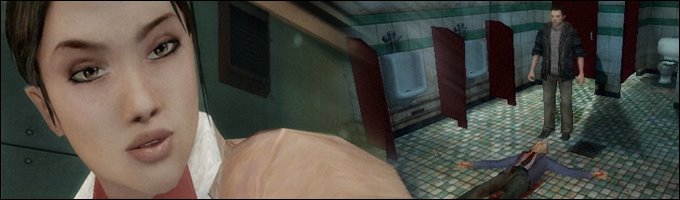
Guillaume de Fondaumiere, COO von Quantic Dream, sprach mit uns zurückblickend über das im letzten Jahr erschienene 'Fahrenheit' sowie die neuen Projekte von Quantic Dream, welche vor einigen Monaten angekündigt wurden. Wann soll 'Omikron 2' erscheinen und was ist mit 'Infraworld'? Die Antworten im Interview!
Ein paar Monate nach dem Release von Fahrenheit: Wie zufrieden seid ihr mit den Verkaufszahlen und Wertungen? Haben sie eure Erwartungen erfüllt?
Das Spiel wurde sowohl von der Spielepresse als auch von den Spielern sehr positiv aufgenommen. Wir haben über 20 internationale Awards für das innovativste Spiel, das beste Adventure, die beste Story, die beste Musik usw. gewonnen – und dazu noch einige Spielerawards. In einigen Ländern wurde es sogar als das beste PS2-Spiel des Jahres ausgezeichnet und wir sind darauf sehr stolz! Fahrenheit ist sogar das am besten bewertete Adventure aller Zeiten auf PS2 und Xbox, und nur nach Grim Fandango das zweite auf dem PC.
Und die Verkaufszahlen, nun, das ist eine andere Frage. Das Spiel hat sich " für ein Adventure " sehr tapfer geschlagen, aber wir haben es bisher nicht geschafft, den Massenmarkt zu erreichen. Ich denke, das hat sowohl etwas mit der Tatsache zu tun, dass Videospiele noch immer kein riesiges Publikum erreichen, als auch mit der zurückhaltenden Marketingkampagne für das Produkt. Fahrenheit ist ein Spiel, das für ein sehr großes Publikum entworfen wurde, aber weil " die große Masse " nicht sehr an Spielen interessiert ist, muss man enorme Mittel aufwenden, um ein Produkt wirklich bekannt zu machen. Aus diesem Grund sieht man so viele Filmlizenzen, welche die nötige Marketingenergie haben, als Spiele, die sich in großen Stückzahlen verkaufen.
Aber Fahrenheit verkauft sich noch immer gut und wird das auch in Zukunft tun, denn es sticht so aus der Masse hervor. Die Mundpropaganda ist sehr positiv; die Zahl der Fans wächst...
Was habt ihr aus der Entwicklung von Fahrenheit gelernt? Was hat gut geklappt, was nicht so?
Die Produktion von Fahrenheit war im wahrsten Sinne des Wortes eine Herausforderung. Aus finanzieller Sicht " brauchten " wir zwei Publisher, um das Spiel fertigzustellen und zu veröffentlichen. Es war eine echte Schlacht, einige der einflussreichsten Leute der Industrie zu überzeugen, dass ein Videospiel, welches nicht auf Spielmechaniken beruhte, sowohl intuitiv als auch interessant zu spielen sein könnte. Und das ein Videospiel, das vorwiegend von der emotionalen Erfahrung der Spieler gesteuert wird und darauf beruht, als ein AAA-Titel angesehen wird.
Es war außerdem herausfordernd, weil wir uns die meiste Zeit in Felder gewagt haben, in die sich vor uns noch niemand getraut hatte. Wir mussten Tools und Techniken entwickeln, um das Spiel zu produzieren, welches wir im Sinn hatten. Das bedeutete, auszuprobieren, zu testen, unsere Entscheidungen ständig in Frage zu stellen. Und natürlich bedeutete es auch, Fehler zu machen und es noch einmal zu machen, wenn das nötig war. Es war in jedem Sinne eine zehrende Erfahrung, aber das Ergebnis war, wie wir es erwartet hatten. Wir haben das Spiel erschaffen, das wir wollten, und das ist wahrscheinlich die größte Belohnung, die man als Entwickler machen kann (und natürlich dutzende Awards zu bekommen und Millionen Exemplare zu verkaufen).
Storytelling und Grafik (vor allem in den Kampfszenen) von Fahrenheit waren herausragend, aber das Gameplay selbst ließ ein wenig Tiefe vermissen. Glaubst Du, ihr hättet das Puzzledesign ein bisschen besser und anspruchsvoller machen können?
Nun, ich weiß nicht. Für mich ist das Gameplay von Fahrenheit mindestens so interessant wie seine Grafiken, vielleicht sogar mehr. Fahrenheit ist kein Spiel, bei dem man das Gameplay einfach von der Story, den Charakteren (und ihrem Design) sowie der Grafikproduktion trennen kann. Ein " interaktives Drama ", wie wir unsere Spiel gerne nennen, ist eine Erfahrung, wo im Wesentlichen alles strikt miteinander verflochten ist. Die gesamte Erfahrung und die emotionale Reaktion der Spieler ist das, was für uns zählt.
Zu Beginn war Fahrenheit als eine " episodische Erfahrung " geplant. Warum seid ihr von diesem Plan abgerückt? Und siehst du die Möglichkeit für zukünftige Spiele in Episodenform? Ritual versucht das ja zum Beispiel mit SiN Episodes.
Fahrenheit war in der Tat anfangs von David Cage als eine episodische Erfahrung auf dem PC geplant. Aber im Jahre 2002 wurde das als zu großes Risiko für einen Publisher angesehen. Vivendi Universal Games allerdings mochte die Story und das gesamte Konzept sehr gerne und bat David, das Spiel als einen " interaktiven Film " anstatt einer " interaktiven Serie " neu zu designen.
Wir sehen eine großartige Zukunft für episodische Inhalte, allerdings nur für die Titel, die wirklich das meiste aus dem Format herausholen. Man designt kein episodisches Spiel wie man ein komplettes Spiel designt. Eine TV-Serie hat eine ganz andere Struktur als ein Film mit seinem Rhythmus, Wendungen, Charakterentwicklungen... und ein ganz eigenes Geschäftsmodell. Das gleiche wird für episodische Spiele gelten und Quantic Dreams diskutiert gerade mögliche Projekte mit den Großen der Industrie.
SiN Episodes wird online und in Stücken veröffentlicht, aber ich glaueb nicht, dass SiN wirklich der Bezeichnung " episodisch " gerecht wird, zumindest wie wir das verstehen.
Wir haben Gerüchte über eine Sequel zu Fahrenheit gehört. Stimmt das?
" Ach" , Rumours.... ;-). " Ein fliegendes Gerücht findet überall Landeplätze." Ich glaube es ist von Jacques Tati...
Letztes Jahr habt ihr Omikron 2 angekündigt, was viele Spieler überrascht hat. Was habt ihr mit dem Spiel vor? Kannst du uns ein paar Detail verraten?
Das ist in der Tat mehr als ein Gerücht, weil wir die Arbeiten an diesem sehr innovativen und herausfordernden Projekt (Omikron 2, genannt KARMA) begonnen haben. Allerdings solltet ihr den Titel nicht vor dem Jahre 2009 erwarten. Quantic Dream wird einen anderen Titel davor entwickeln. Der ist sogar bereits in Arbeit, wir haben einen Vertrag abgeschlossen.
Ein anderes Spiel, das ihr angekündigt habt, ist Infraworld. Kannst du dazu schon was sagen?
Infraworld ist zum jetztigen Zeitpunkt gecancelt. Das Konzept hat den Publishern nicht gefallen.
Welche Möglichkeiten siehst du für die nächste Konsolengeneration?
Wir sehen heute ganz klar die Möglichkeit, eine emotionale Erfahrung zu erschaffen, welche Videospiele in echte Konkurrenz zum Kino stellt. Wir werden die " Uncanny Valley " während des nächsten Zyklus überbrücken – Charaktere so real wie möglich erschaffen, städtische Plätze werden gewaltig, lebendig und beinahe " echt " sein. Die künstliche Intelligenz wird ihren großen Auftritt haben und, wenn sie richtig verwendet wird, ein essentieller Bestandteil großer Produktionen sein. Es könnte durchaus das nächste " große Ding " in Videospielen sein, es den NPCs ermöglichen, mehr als nur Stand-By-Charaktere zu sein. Neue Physikengines werden außerdem den grafischen Realismus in Spielen verbessern, besonders wenn sie in Verbindung mit anderen spektakulären visuellen Effekten verwendet werden.
Aber mehr noch glauben wir, dass neue Franchises wirklich die Form sprengen und die Tür zu neuen beliebten Genres öffnen werden. Ico, Shadow of the Colossus, Die Sims, Katamari Damacy und natürlich Fahrenheit haben die Tür dazu in der letzten Runde geöffnet. Ich bin optimistisch; ich glaube, die Zukunft von Videospielen liegt eher hier als in Sequels und Hollywoodlizenzen.
Habt ihr bereits Verträge mit Publishern für eure neuen Projekte abgeschlossen?
Wir haben eine Produktion bereits sicher, aber ich kann weder den Namen noch Details nennen. Aber es ist ein eigenes Franchise von uns, ein Spiel für PlayStation 3, Xbox 360, PSP und PC.
Wann können wir mit mehr Infos rechnen?
Wir werden eine Ankündigung auf der E3 2006 machen und einige interessante Sachen präsentieren, an denen wir gerade arbeiten. Hoffentlich auf einem sehr großen Bildschirm!
Guillaume, vielen Dank für das Gespräch!
Autor: Fabian Walden
Source: WT (Working Title)
Labels: Fahrenheit episodes, Fahrenheit Indigo Prophecy, German, Guillaume de Fondaumiere, Infraworld, interview, Omikron 2 Karma
Omikron-2 (KARMA)
need translation?
Name: Karma; Omikron 2; Omikron 2 Karma
Developer: Quantic Dream
Publisher: Unknown
Genre: Action/Adventure/RPG
Date release: 2010/Delayed?
Platform: PC, Xbox 360, Playstation 3
Omikron Karma is planned for rising generation of consoles. It is a very large project, very ambitious technically but also conceptually. We want to pass at the following stage, to create the most beautiful city imagined in 3D, a real world fascinating recipient of the play. There is a large work of returned for the next gen', of managements of blur, an important artificial intelligence. One will be able to control vehicles, to build robots and especially to establish and develop confidence and love, friendly relations with other characters.
Resources
News
2008
6/22/2008 Paris GDC: Quantic Dream Considering Second Next-Gen Title (English)
"Despite the company's cancellations and delayed productions, Fondaumière disclosed that Quantic Dream could be readying itself to take on an additional project: “Our strategy was to create one big game for next-gen, but it’s only now that we’re thinking of creating two games with two studios.”
2006
6/27/2006 Mayerem Chat with David Cage (English, French)
I read, that Heavy Rain, from its creation, will cancel TNS2, because Quantic could not work on the 2 projects at the same time...
2/09/2006 WT Interview Quantic Dream Q&A. (English)
This is more than a rumour, as we have started to work on this very innovative and very challenging project (Omikron 2, called KARMA). However, you shouldn’t expect this title anywhere before 2009. Quantic Dream will be developing another title before that. It is actually already in the making, we have a deal in place.
2005
11/25/2005 EDGE: VideoGame Culture David Cage Interview (English)
We're working on two new projects for next-gen consoles. One will continue to explore the Interactive Drama format we initiated with Fahrenheit, pushing it much further in concept, game play, narrative and technology. The other one will be a very ambitious Action/Adventure/RPG title called Karma, which is kind of a spiritual sequel to Nomad Soul.
9/29/2005 Adventure Gamers chat with David Cage. (English)
Omikron Karma and Infraworld are in two different genres, but after having designed Indigo Prophecy, I must say that I feel unable to design video games the same way again. I will definitely inject what I learnt on this game in my other games, although they may not be interactive dramas like Indigo.
The important of characterization, narrative and emotions is something I only started to fully understand on Indigo.
9/22/2005 Quantic Dream choose Malaysia (English)
According to SBV, the development of Karma is scheduled between July next year and June 2008. Most of the animation and model building will be done in Malaysia, and this will require 35 3-D model artists and animators.
8/30/2005 Quantic Dream Supports AGEIA PhysX Processor in KARMA. (English)
Quantic Dream is making maximum use of the AGEIA PhysX™ processor for its sequel to Omikron: The Nomad Soul. Quantic Dream has been integrating extensive physics functionality into KARMA using the AGEIA PhysX SDK. When these features are hardware-accelerated by the AGEIA PhysX processor, players will experience a depth of interactivity and realism never before seen in electronic games. The AGEIA PhysX processor will be available on PC add-in boards in late 2005.
8/20/2005 Entrevista David Cage (Spanish)
El interés de tener una versión multiplataformas (NDRL, Fahrenheit saldrá para PC, PS2 y X-Box), una versión razonable para PS2. Para PC, se analiza la configuración del jugador y las opciones gráficas. Y funciona sobre aparatos no muy potentes. Pero si a la inversa el jugador dispone de una máquina potente, podrá darse el gustazo de jugar en 1600 x 1200, con anti-aliasing, etc.
8/03/2005 Quantic Dream - David Cage and Guillaume de Fondaumiere interview (English, Hungarian)
In these type of games, you have no real choice. You need to do what is right. We are really lucky at Quantic Dream to have had the time to do things the way we wanted. The same thing happened with Omikron 2. We really had the time. Often in development you have a publisher who says things like "Oh no, that should be green or that should be blue." It is very difficult for a publisher to try and say something when the design is so complete.
7/19/2005 JeuxActu.com Interview David Cage (French)
Omikron Karma est prévu pour la nouvelle génération de consoles. C’est un très gros projet, très ambitieux techniquement mais aussi conceptuellement. Nous voulons passer à l’étape suivante, créer la plus belle ville imaginée en 3D, un monde réel prenant partie prenante du jeu. Il y a un gros travail de rendu pour les next gen’, des gestions de flou, une intelligence artificielle importante. On pourra piloter des véhicules, construire des robots et surtout établir et développer des relations d’amitié, d’amour et de confiance avec d’autres personnages.
7/19/2005 Fahrenheit Interview de David Cage (French)
Cinématographiques pour la plupart. Moins dans le domaine du jeu vidéo, car j'ai peu d'estime pour la narration dans ce milieu, ni pour ses standards. J'ai envie de me démarquer des autres jeux.
7/15/2005 Inspirert av «Fight Club» og «Seven» (English)
I am currently writing Omikron Karma for PS3 (keep that for you, it is still secret...).
4/06/2005 Omikron 2 announces the development (English, Chinese)
Quantic Dream is finalizing initial design documents for two next-generation projects: OMIKRON 2, the sequel to Quantic Dream's first PC hit, and INFRAWORLD, a new franchise.
Both projects are aimed at X-Box 2, PS3 consoles and for PC and will be developed on Quantic Dream's proprietary next gen' engine. The later will offer enhanced physics capabilities through a recently signed partnership with NOVODEX and a range of action orientated features. Talks are also being finalized with major middleware creators to integrate enhanced AI capabilities. More news soon...
2003
11/24/2003 Exodus: Myth or Reality?. (English, French,Russian)
Nomad Soul represents more than two years of our lives, and it is always a real pleasure to see that people enjoyed the experience we have created. When Nomad Soul was released, Eidos asked us to start working on a sequel (codename : Omikron 2 Exodus). A lot of people are now waiting for this game.
2000
1/12/2000 Gamespot: Omikron Team Interviewed (English)
We sit down with Quantic Dream to get to know more about Omikron2 and why the original game was so heavily delayed.
1999
11/09/1999 Creative Synergies: The Development of Omikron (English)
Quantic has been quoted as saying that the world of Omikron 2 is already being laid out. What can you tell us about that project?
All I can say at the moment is that the devious mind of David Cage is thick with cunning ideas and gaming revolutions. Don’t forget, Omikron is a parallel universe; it doesn’t just go away when the player is done! There are already a number of people anxious for a return to Omikron, so keep an eye on those computer screens!
Labels: Omikron 2 Karma, project main information
Adventure Gamers chat with David Cage
need translation? There are results of a chat by Gamers with Quantic Dream main personas David Cage and Guillaume de Fondaumière at the Adventure Gamers forums. There some moments commenting future game Omikron 2 Karma.
Guillaume de Fondaumière (Arxel Tribe): Hi all,
Apologizes, but David is stuck in traffic jams and will be with us in a couple of minutes now. Sorry for those who were here on time !!!!
:)
...
Mattsius:You have mentioned that you will try to avoid working with three different platforms in future projects because of the large amount of work and organisation that it involves. As I’ve understood it the PS2 version of Fahrenheit was the primary one for you, but at the same time you did a great job with the Xbox and PC versions also.
In future projects, like for example Omikron Karma, what will be the main platforms? There has been talk about next-gen consoles with your future projects and maybe handheld devices like the PSP. As I am a PC gamer my interest naturally lies in the PC field. Hence the question: What about the PC? Will future projects from Quantic Dream also be released for the PC or will you focus on the next-gen consoles?
Guillaume de Fondaumière: Karma will certainly be released on PC, as well as our next Interactive Cinema titles, at least in the next 3 years.
...
WeezY: I look forward to Omikron 2 (KARMA) in 2007, it will be nice if you will tell us a little about it...
David Cage: Sorry, I really cannot say anything about Karma yet. But I will let you know as soon as I can.
...
nomadsoul: Now Fahrenheit is done and selling well. Which game you are making now and release next: Omikron2, Infraworld or IP sequel???
David Cage: As Karma is a very long and complex title, it is likely that we will release another Interactive Drama game before.
With Karma, the ambition is to create a city that is really interactive, with a massive crowd with a believable behaviour, physics everywhere, and the possibility to actually "live" in the city, with bars, restaurants, book stores, apartments, etc.
I don't want to say too much right now about Karma, as we are just at the beging. All I can say is that AI and physics will play a very significant part in a way that I have not seen in a game yet.
...
Lord_Huggington: Omikron 2 - Synopsis? Omikron 2, is it a direct sequel to Omikron : Nomad Soul or is it simply set in the same world/city? I never got to finish the original and I want to know if I will be fully set to play the sequel despite the gaps in my experience?
David Cage: Karma will be the spiritual successor of Omikron, not a sequel as such.
We hope to make the game even more atmospheric than the first one. It won't use the Fahrenheit engine as it will be dedicated to next gen consoles and PC. Don't expect it before a while, as the game is currently in pre-production. But we have in mind to allow fans to follow the development through a dedicated internet site with exclusive material.Karma will be the spiritual successor of Omikron, not a sequel as such.
We hope to make the game even more atmospheric than the first one. It won't use the Fahrenheit engine as it will be dedicated to next gen consoles and PC. Don't expect it before a while, as the game is currently in pre-production. But we have in mind to allow fans to follow the development through a dedicated internet site with exclusive material...
...
Lord_Huggington: I really enjoyed the "interactive movie/choose your own adventure" style of game, will Infraworld and Omikron 2 follow a similiar gameplay structure?
David Cage: Omikron Karma and Infraworld are in two different genres, but after having designed Indigo Prophecy, I must say that I feel unable to design video games the same way again. I will definitely inject what I learnt on this game in my other games, although they may not be interactive dramas like Indigo.
The important of characterization, narrative and emotions is something I only started to fully understand on Indigo.
...
mann: Nomad Soul Is Such Brilliant Game And Eidos Had Big Hopes For It, So Why Was It Not That Successful
David Cage: Nomad Soul was to me a great success in matter of credibility (the game get about 20 awards worldwide and still has today a great aura among the gaming community. It's been listed among the 40 games that changed the history of video games by a major american magazine).
Sales were not as good as the game disserved, probably for more than one reason. On the design side, the shooting parts were not right, which turned down a lot of people especially in the US that were judging the game compared to Half Life (which was not right, Omikron never pretended to be a first person shooter). Visually, the world looked too weird to a lot of people, and they did not want to get into it.
Eidos also failed to market the game right for internal reasons. It was a unusual game and they did not know how to communicate about it.
This is why I am so please with the sucess of Indigo Prophecy and the marketing work done by Atari. I started to think that I would never make a success as long as I would try to make games that are different. Innovation can sell, this is to me the biggest lesson of Indigo. I hope it will open new possibilities in the future to other developers than Quantic Dream.
Intrepid Homoludens: You can design the best adventure game ever in the history of mankind, but it's absolutely worthless and a waste of time if nobody knows about it, and you're not gonna make any money off of it so forget about that sequel.
Good, strategic marketing is incredibly vital for today's games.
David Cage: At the same time, there are also some design decisions that can greatly help marketing. PLacing Fahrenheit in currenty day New York was an important step in order to make the game accessible to more people. Of course, if you go to far in giving people what they expect, you will probably fail. You just need to find the right balance in order to get their interest with something they know to give them something they don't know.
...
Solace: Omikron on PS2. I only just realised about this only recently.It got canned, do you know the reasons and would you have personally wanted Omikron on the PS2?
David Cage: Omikron got canned on PS1, not PS2. It was the end of the PS1 cycle, and Eidos thought at the time that the console market would collapse in the next six months (I think that PS1 games were still sold two years after that...). They urged us to move to the Dreamcast which was definitely the future. Publishers, sometimes they are difficult to follow... Not having released Omikron on PS1 is my biggest regret. The version looked great and it could have been a great success on console.
...
Leo: Here in Ireland it's no 2 in the Pc and PS2 charts in many game stores. That's quite unheard of for an adventure game. I bought it yesterday and can't wait to play it.
What I wanted to ask you is do you know if Omikron is available in the UK? I haven't seen it anywhere and it's not on amazon either. I would really like to get it because I have heard a lot of good things about it. Also is Omikron 2 going to be available in UK?
David Cage: It is quite an old game now...
Don't forget that the game is called "Nomad Soul" in Europe (Omikron is the american title). I always had bad luck with my titles...
...
That's all about Omikron, but you can read the other posts about Indigo Game.
Source: Adventure Forums
Labels: David Cage, English, Fahrenheit Indigo Prophecy, Guillaume de Fondaumiere, interview, Omikron 2 Karma
Quantic Dream Supports AGEIA PhysX Processor in KARMA
need translation?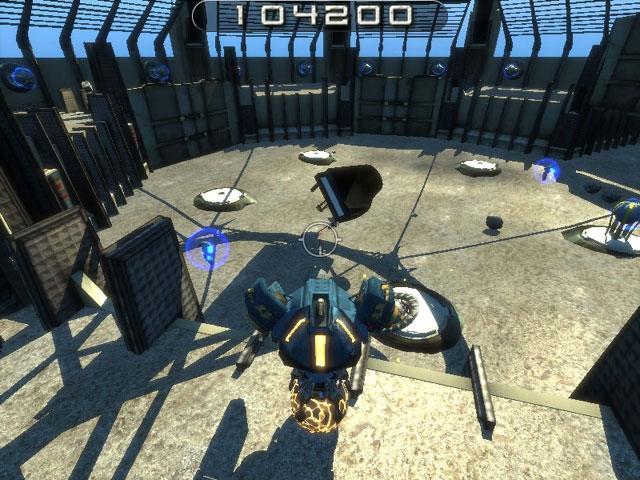 Real-time physics interactivity of AGEIA PhysX technology is perfect match for the interactive real-time 3D worlds of KARMA
MOUNTAIN VIEW, Calif. – August 30, 2005 – AGEIA™ Technologies, Inc., the pioneer in hardware-accelerated physics for games, today announced that Quantic Dream is making maximum use of the AGEIA PhysX™ processor for its sequel to Omikron: The Nomad Soul. Quantic Dream has been integrating extensive physics functionality into KARMA using the AGEIA PhysX SDK. When these features are hardware-accelerated by the AGEIA PhysX processor, players will experience a depth of interactivity and realism never before seen in electronic games. The AGEIA PhysX processor will be available on PC add-in boards in late 2005.
“Real-time interactive physics enabled by the AGEIA PhysX processor provides a whole new dimension to the entirely real-time 3D world that we are developing for KARMA,” said Guillaume de Fondaumiиre, chief operating officer of Quantic Dream. “The AGEIA PhysX SDK has enabled us to add pervasive physical interactivity to environments, effects and even gameplay for players of KARMA, especially those who have PCs equipped with the AGEIA PhysX processor,” said David Cage, the founder and creative mind behind Quantic Dream.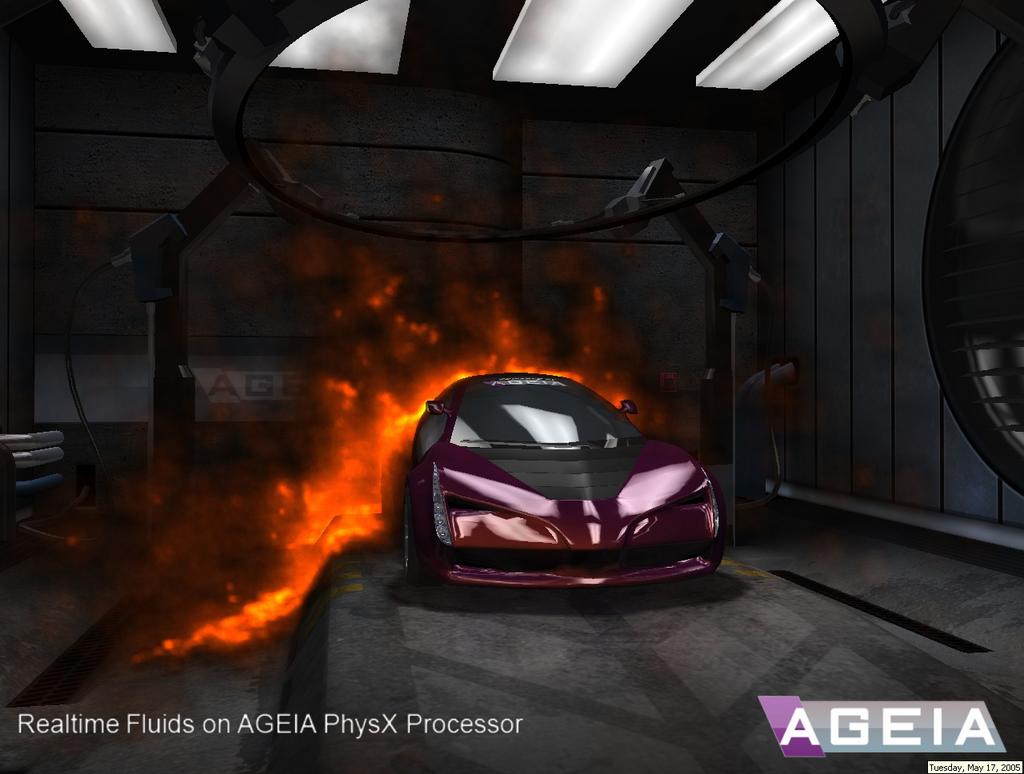
“We’re very impressed with the innovative ways that Quantic Dream has used the AGEIA PhysX SDK to leverage the power of the AGEIA PhysX processor so far,” said Kathy Schoback, vice president of content acquisition at AGEIA. “Quantic Dream’s support for the AGEIA PhysX processor will make KARMA an even more compelling parallel universe for the explorers of this immense project.”
Ubiquitous Physics Interactivity
KARMA leverages AGEIA PhysX technology to add advanced physics interactivity to its immersive world, a city that has its own day/night cycles, random weather and a vast population with hundreds of passers-by and air-cushion vehicles. Behind every door in the city is a real-time environment for players to explore. Players can stop for a drink in a bar, buy a book in a bookshop, find medication in a pharmacy and more.
Using PCs equipped with the AGEIA PhysX processor, players will experience intense hyper-realism as they interact with the environment, fight with hands or feet, use weapons, drive air-cushion vehicles and reincarnate. About AGEIA
AGEIA™ Technologies, Inc. is a fabless semiconductor company and the pioneer of hardware-accelerated physics for games. Its flagship product, the PhysX™ processor, is the world’s first dedicated physics processing unit – a completely new hardware category. The PhysX processor and supporting software deliver the processing horsepower to calculate real-time interactive worlds. Developers can define these worlds to obey the laws of classical physics, or create their own physical laws that make their game a unique, hyper-dimensional experience.
AGEIA seeks to ignite innovation in the games industry by working with leading developers, publishers, add-in board vendors and console manufacturers to deliver the next generation of physically immersive entertainment. Consumer add-in boards and systems equipped with the AGEIA PhysX processor and games that take advantage of the technology will be available in late 2005. For more information visit www.ageia.com
* AGEIA, PhysX and NovodeX are trademarks of AGEIA Technologies, Inc. All other products are trademarks of their respective companies.
Source: AGEIA
Language: English
Labels: Announcement, English, Omikron 2 Karma, Physics processor
Inside Indigo Prophecy with Quantic Dream’s Guillaume de Fondaumiere
need translation?In my opinion, true originality in video games comes from developers and publishers who really strive to bring gamers worlds and experiences they’ve never had before. While quirky viral marketing gimmicks and multimillion-dollar hype machines can help games fly off store shelves, the more memorable games are those that go beyond repetitive gameplay, clever writing and in-joke placement. One of the games we’re looking forward to here at BonusStage is Quantic Dream’s Indigo Prophecy, published by Atari. Rather than falling back on tried and true gameplay mechanics, the cinematic thriller breaks new ground in interactive adventure games, no small feat these days.
When the opportunity arose to interview Guillaume de Fondaumiere, Executive Producer of the game and Chief Operating Officer of Quantic Dream, I couldn’t pass it up. Amusingly, I caught him as the team was wrapping up production on the game and he was about to take a well-deserved holiday, but he was happy to spend time answering a few questions about the game.
(Note: In a few instances, GDF refers to the game by its official European market title, Fahrenheit- we’re leaving this as is for our overseas readers)
Greg Wilcox: In terms of originality, Fahrenheit/Indigo Prophecy is remarkable in that it combines elements from a few genres and challenges the player to do more than just run, jump, and shoot. Was this a deliberate decision from the start of development, and how tough was it to "sell" a publisher on the gameplay?
Guillaume de Fondaumiere: Oh yes, it was deliberate, indeed ! We wanted to create an interactive drama, a video game experience that would be like none before. This is a huge challenge : when you start saying : "I want to do an interactive movie", publishers tend to scream and run. They think "a boring adventure that will be very cinematic with little action and interactivity". It is, of course, not what we intended to do, but selling Fahrenheit’s concept was a true challenge.
GW: The game has been in development for some time now. As there is a decidedly more cinematic approach to storytelling throughout, were there any particular films or directors that influenced the story or overall design?
GDF: Movie directors David Fincher, Orson Wells or Alfred Hitchcock were in the mind of David Cage, the writer and director of Fahrenheit throughout the creative process. Fahrenheit is a paranormal thriller, so movies like Se7en were a strong inspiration. However, the story is original and, to our humble opinion, stands on its own.
GW: As each player is responsible for "directing" his or her own version of the game’s events, how important was it to keep the gameplay as fresh as possible?
GDF: Our obsession was to keep a fresh approach to the game design, controls, interactivity and more generally, to the whole experience. We wanted to demonstrate that a video game can offer much more than repetitive puzzles or limited game play mechanics that you replay again and again, level after level. The challenge was to design this innovative approach in such a way that after 5 minutes of playing a tutorial, you would play as seamlessly and intuitively as possible. We wanted players to forget about the interface for them to delve as deeply as possible into the story.
GW: For those players more accustomed to action-based titles and
hesitant to give something new a try, explain the various gameplay and control options Indigo Prophecy offers and any differences between the console and PC versions.
GDF: I guess I can’t do much for those who never want to give something new a try ;-), but I believe those people are, in reality, a minority. Most people are keen to experience new things, but the experience must be as strong as the promise. With our game, and that would be my best argument in front of the more skeptical gamers, we promise "strong" and deliver what we say: a very strong story that evolves constantly through player’s actions, highly diversified gameplay and action sequences. It is a very complete experience, part adventure, part action, and to a certain extent, part RPG. There are little differences between the PC and console versions. The experience of the gameplay with a controller is replaced by mouse/keyboard control on PC (or gamepad if the player has one). And the PC version has better graphics resolution, of course.
GW: In terms of story progression and replay value, is there a way for players to keep track of the choices they’ve made, or will the game rely more on them mentally storing and remembering elements they’ve already seen?
GDF: The game saves automatically when you progress. As such, you can continue any time you want from the last played position, which is very useful. However, your complete progression is stored and through the "Chapters" menu, you can at any time go back and replay from any given point in the game. You can also change your log in name so that different paths can be stored easily. Since most actions have an effect on the story, this gives you the possibility to experience something new and live a different adventure. As such, the game offers very good replay value and not only different endings, but truly different stories.
GW: As for the music, how did you get Angelo Badalamenti to work on the game and how important was it to get him for the project? Additionally, was the game scored from the script or game sequences (or both) and did having Badalamenti aboard have any effect on the rest of the game’s sound design?
GDF: First of all, I would like to point out how easy and joyful it has been to work with Angelo. He is a wonderful, generous person, and is such a talented musician! David Cage and I talked to him over the phone to start with and eventually we convinced him to be on board. We "fed" him progressively with information on the game. We then met in New York for a full day. That was one of our most memorable creative experiences, trust me! We showed the game in length to Angelo and Normand Corbeil, who did all the orchestrations and additional music and who regularly works with Angelo. We discussed a lot for a few hours. Then, Angelo sat down at his piano, and started to play the themes. It was kind of magic, and beautiful... Angelo continued to work alone for a few weeks to finalize all the themes and main sequences, then Normand Corbeil took over, adapting the themes to write each and every sequence in the game. We decided together on which sequences should be orchestrated and Normand conducted in Montreal.
GW: Developing for multiple SKUs is always a challenge, especially with the most popular console being the least powerful on the market. What were the
biggest hurdles in keeping all three versions as close as possible in terms of visual quality?
GDF: Our choice was to go from the PlayStation 2 version to Xbox and then PC. In other words, we wanted the maximum possible quality on the PS2 and then "boost" it to obtain a high graphics resolution on the two other - more powerful -
formats. It is of course a challenge, and not only in terms of graphics. The PlayStation 2 is a console that is scarce in memory, with a very demanding architecture. But we create or our engine and tools at Quantic Dream and since multiple SKUs were on the menu since day one, we had prepared accordingly. Releasing all masters within the same week however, you are never really prepared for, but we managed to do it ;-)....
GW: If Indigo Prophecy is successful, would Quantic Dream consider a portable version or some sort of side story/follow-up featuring characters in the game at some point in the future?
GDF Indigo Prophecy will certainly have a sequel, but I can’t tell you exactly for sure which form it will have...
GW: Speaking of follow-ups, I’ll admit to being a fan of Omikron: the Nomad Soul, warts and all. Any plans for a remake or follow up, or will Quantic Dream continue to develop all-new material?
GDF: We have started to work on KARMA, which can be considered a kind of prequel to Omikron. More information will become available later this year, we can’t divulge too much for now.
GW: What’s the overall impression you want players to come away from Indigo Prophecy with?
GDF: The same impression they have after having read a great book or seen a grand movie : we want them to "leave" with its story (stories) and characters in their heads for a while, so that Indigo Prophecy becomes part of their life experience.
GW: Finally, does the name Quantic Dream have reference to anything in particular? It’s interesting that one can look up both words for added depth, yet come away with any number of potential meanings.
GDF A Quantic Dream is one that has a different dimension than we usually envisage or expect..
This, interestingly enough, brings us to the end of this interview and precisely describes Indigo Prophecy as a game experience. Many thanks to Guillaume de Fondaumiere of Quantic Dream for his time and patience. Indigo Prophecy hits U.S. stores on September 20. We’ll have a hands-on preview of the PC version shortly and a full review of the console version around the time the game ships.
Autor: Greg Wilcox
Source: Bonus Stage
Labels: Angelo Badalamenti, English, Fahrenheit Indigo Prophecy, Guillaume de Fondaumiere, interview, Omikron 2 Karma
JeuxActu.com Interview David Cage
need translation?JeuxActu.com : Dans The Nomad Soul, tu avais fait appel à David Bowie pour la bande sonore. Nous avons pu entendre des morceaux de Kool & The Gang dans un passage bonus de Fahrenheit, ainsi que d’autres musiques bien connues. Quelles ont été tes sources d’inspirations pour la B.O. ?
David Cage : En fait nous avons fait appel à Angelo Badalamenti. Il compose pour les films de David Lynch et a notamment travaillé sur Twin Peaks ou encore Mulholland Drive. C’est un des rares compositeurs à réussir à transmettre des émotions et il a une vraie sensibilité dans la musique. Le choix s’est donc tout naturellement porté sur lui. Pour les artistes présents sur le reste de la B.O., nous avons en effet choisi Kool & The Gang pour Tyler. C’est un personnage funky issu de la culture noire motown, nous avons donc recherché des thèmes groovy et très roots. D’autres noms comme Nina Simmon sont également sur la tracklist.
JeuxActu.com : Un CD de la B.O. est-il prévu avec un tel casting ?
David Cage : Un livre sur le making of du jeu ainsi qu’un guide sont déjà prévus, mais pour le moment pas encore de CD de la B.O.
JeuxActu.com : Fahrenheit appartient à un genre nouveau et tient beaucoup à jouer sur les émotions fournies. Peux-tu nous en dire plus sur le sujet ?
David Cage : Quand j’ai joué à ICO, mon expérience se basait sur l’histoire, et non sur une mécanique classique. Dans Fahrenheit, c’est l’histoire le héros. On y trouvera des situations oppressantes mais gérées autrement que par la simple peur. Carla par exemple est claustrophobe, et devra faire face à cette phobie lors de deux passages dans le jeu. Nous avons voulu que Fahrenheit pose des cas de conscience, donne la chair de poule ou encore fasse sourire, beaucoup d’émotions différentes donc.
JeuxActu.com : Le début du jeu rappelle fortement Memento avec un réveil autour d’un meurtre, sans souvenirs. Le Picture-in-Picture évoque immanquablement Alias et surtout la série 24 Heures Chrono se déroulant également en temps réel. D’autres films comme Le Fugitif ou encore Matrix pour certains combats viennent également à l’esprit. Quelles ont été tes sources d’inspirations exactement ?
David Cage : Peu d’influences de jeux, mais beaucoup d’influences cinématographiques, avec surtout Snake Eyes de Brian de Palma, d’autres films comme Se7en pour le duo de flics (même s’ils sont différents), des films de David Fincher pour l’univers glauque, sombre, étrange et oppressant, Fight Club ou encore des films d’Adrian Lyne. Il n’est pas très connu mais a fait des films comme Angel Heart avec De Niro et Mickey Rourke où un amnésique avait vendu son âme au diable, ou encore l’échelle de Jacob pour la réalité du personnage. D’autres références sont plus personnelles comme les films d’Orson Wells ou encore de Stanley Kubrick.
JeuxActu.com : Le casting a bénéficié d’une attention toute particulière pour la motion capture afin de donner une identité propre à chacun, avec par exemple la démarche et les comportements de Tyler. En a-t-il été de même pour les doublages ?
David Cage : J’ai dirigé la version anglaise de Fahrenheit. J’ai retravaillé avec le même groupe d’acteurs que sur The Nomad Soul. Pour la version française, ce sont les doubleurs de Will Smith pour Tyler, ou encore de Brad Pitt, Keanu Reeves et Angelina Jolie qui assureront les voix.
JeuxActu.com : Le gameplay de Fahrenheit mélange aventure et action avec des QTA (Quick Time Action) gérés avec les sticks analogiques. Comment ces actions sont-elles gérées sur PC ?
David Cage : Nous avons appelées ces séquences des PAR pour Physically Action Reaction. L’idée c’est que le personnage a deux bras, deux jambes, et donc nous avons naturellement choisi d’utiliser les deux sticks. Sur PC le système est le même mais avec le clavier et la souris, et est presque encore plus confortable. Ces séquences ont pour but de faire un break dans le jeu et de surprendre.
JeuxActu.com : Le jeu se déroule durant une tempête de neige à New York et s’intitule Fahrenheit. Existe-il un rapport et surtout quelle est son influence sur le jeu ?
David Cage : La météo est le troisième héros du jeu, et est traité comme un personnage avec son arc d’évolution. Elle progressera dans le scénario et aura une histoire qui lui est propre jusqu’à devenir progressivement au premier plan. La météo jouera sur le moral des personnages et sur l’histoire globale.
JeuxActu.com : Le jeu se découpe en chapitres. A l’origine, Fahrenheit devait être distribué en épisodes, pourquoi ce changement ?
David Cage : Nous avons beaucoup réfléchi sur un nouveau business model avec une distribution en ligne. Le système épisodique permettait de se rapprocher d’une série télé, d’avoir une histoire qui se continue progressivement. Notre ancien éditeur (ndr : Vivendi Universal Games) avait considéré, sûrement à raison, que le marché n’était pas encore prêt pour ça, et surtout cela nous privait du marché des consoles. Nous sommes donc revenu sur la décision et nous avons décidé alors de réécrire le jeu. De plus, faire un système épisodique demandait de repenser les chaînes de production. Mais cette réflexion fut très enrichissante.
JeuxActu.com : Peux-tu nous parler rapidement de ton prochain titre, The Nomad Soul 2 ?
David Cage : Omikron Karma est prévu pour la nouvelle génération de consoles. C’est un très gros projet, très ambitieux techniquement mais aussi conceptuellement. Nous voulons passer à l’étape suivante, créer la plus belle ville imaginée en 3D, un monde réel prenant partie prenante du jeu. Il y a un gros travail de rendu pour les next gen’, des gestions de flou, une intelligence artificielle importante. On pourra piloter des véhicules, construire des robots et surtout établir et développer des relations d’amitié, d’amour et de confiance avec d’autres personnages. C’est un très gros projet.
Autor: Laurent Moreaux
Source: JeuxActu.com
Labels: David Cage, Fahrenheit Indigo Prophecy, French, interview, Omikron 2 Karma
Omikron 2 announces the development
need translation?QUANTIC DREAM announces the development of two new games
Quantic Dream is finalizing initial design documents for two next-generation projects: OMIKRON 2, the sequel to Quantic Dream's first PC hit, and INFRAWORLD, a new franchise.
Both projects are aimed at X-Box 2, PS3 consoles and for PC and will be developed on Quantic Dream's proprietary next gen' engine. The later will offer enhanced physics capabilities through a recently signed partnership with NOVODEX and a range of action orientated features. Talks are also being finalized with major middleware creators to integrate enhanced AI capabilities. More news soon..."
Source: Quantic Dream
Language: English
Labels: Announcement, English, Omikron 2 Karma
Previous News
- Detroit: Become Human
- Настоящий дефектив. Чем плоха расхваленная Heavy R...
- Beyond: Two Souls review: Beyond awful
- The Dark Sorcerer – a next gen comedy from Quantic...
- The Dark Sorcerer
- QD stories and projects not interesting anymore
- PlayFrance: interview David Cage
- [FJV 2009] Heavy Rain : Interview exclusive P3L de...
- Podcast: Kombo Breaker - Episode 45: Heavy Rain In...
- CVG: Heavy Rain delayed because it "needs space"